
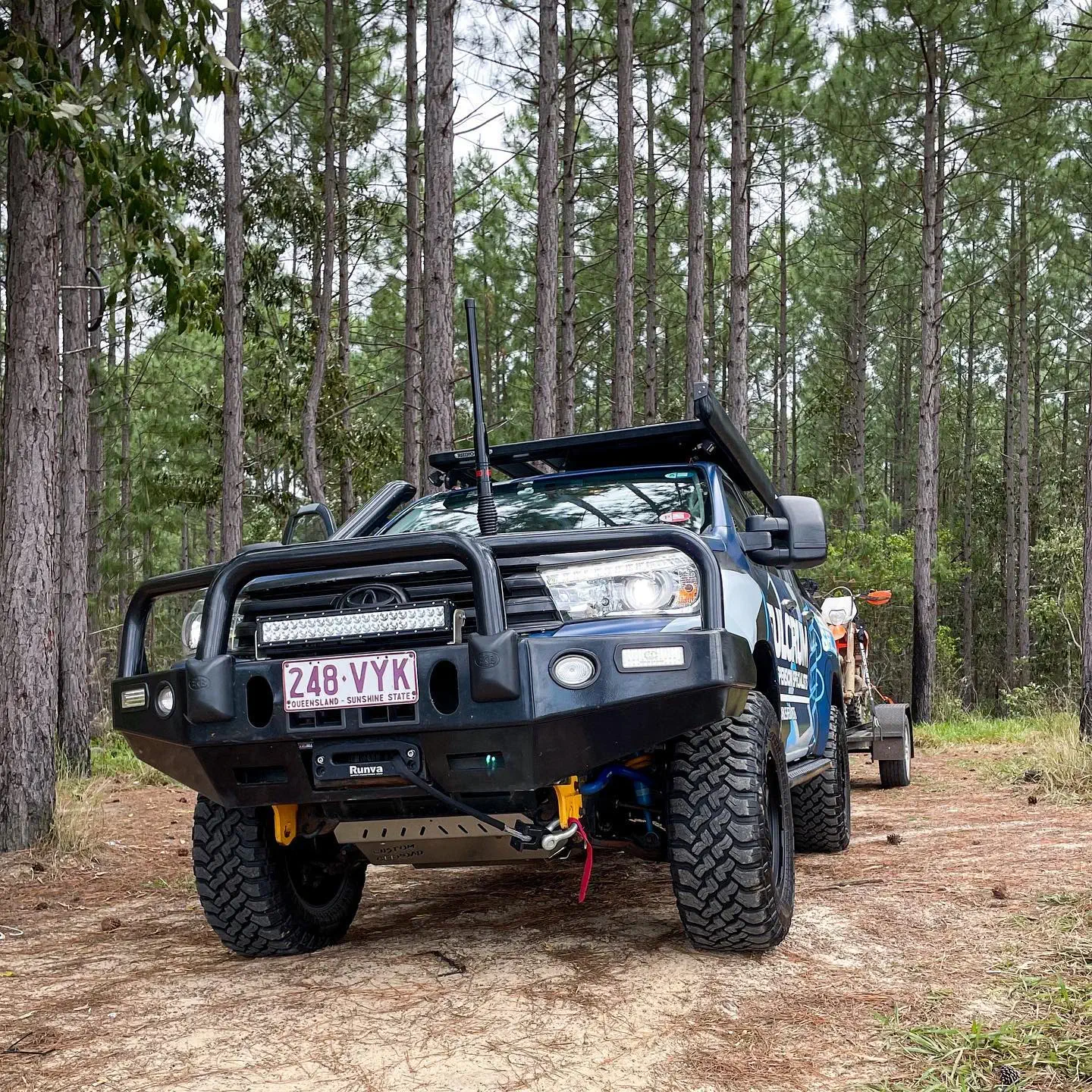

How To Increase Towing Capacity: A Comprehensive Guide
Are you planning to tow a heavy load? Perhaps you're moving to a new home or need to transport equipment for work.
Whatever your reason for towing, it's important to know your vehicle's towing capacity.
Towing capacity is the maximum weight your vehicle can safely tow without causing damage to your vehicle or compromising your safety on the road.
But what if you need to tow more than your vehicle's rated towing capacity?
That's where Fulcrum Suspension comes in. Our experts can help you increase your vehicle's towing capacity and ensure that you can tow heavy loads safely and confidently.
In this guide, we'll explore the factors that affect towing capacity and provide tips on how to increase it. Let's get started!
Understanding Towing Capacity
The first step to increasing your vehicle's towing capacity is to understand what towing capacity means.
Towing capacity is the weight that your vehicle can safely tow without causing damage to the vehicle's frame, suspension, transmission or engine.
It is important to note that the maximum towing capacity listed by the vehicle manufacturer is based on ideal conditions, and other factors can impact the towing capacity of your vehicle.
Factors that Affect Towing Capacity
Several factors can impact your vehicle's towing capacity. The following are some of the most important factors you need to consider when planning to tow a heavy load:
- Vehicle Towing Capacity: The first and most important factor is your vehicle's towing capacity. The maximum towing capacity is typically listed in the owner's manual or on a compliance plate located on the vehicle. It's important to always stay within the maximum towing capacity listed by the vehicle manufacturer.
- Weight Distribution: Weight distribution is also important when towing a heavy load. Proper weight distribution will ensure that the weight of the load is evenly distributed between the front and rear axles of your vehicle, providing better steering control and a smoother ride. Using a weight distribution hitch can help distribute the weight evenly.
- Trailer Hitch: The trailer hitch is an important component when towing a heavy load. Ensure that your trailer hitch is rated for the weight of the load you're planning to tow. The tow ball and tow ball weight also need to be rated for the weight of the load.
- Braking System: A braking system is necessary for trailers weighing over 750 kg. The braking system ensures that the trailer can stop safely when needed, and reduces the strain on your vehicle's brakes.
- Vehicle's Suspension: Your vehicle's suspension system needs to be able to handle the weight of the load.
- Curb Weight and Gross Vehicle Weight Rating (GVWR): The curb weight of your vehicle is the weight of the vehicle when it's empty, including all standard equipment and fuel. The GVWR is the maximum weight your vehicle can safely carry, including passengers and cargo. It's important to always stay within your vehicle's GVWR when towing a load.
Increasing Towing Capacity
If you're looking to increase your vehicle's towing capacity, there are several steps you can take to do so:
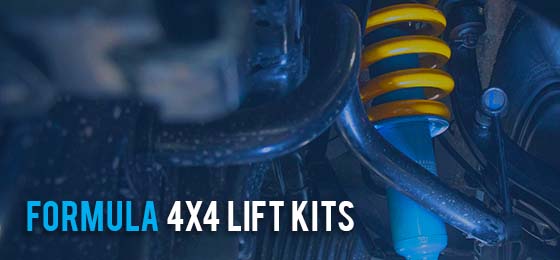
- Upgrade Your Vehicle's Suspension: Upgrading your vehicle's suspension system can help increase your vehicle's towing capacity. Stiffer springs, heavy-duty shock absorbers, and a larger radiator can all help support a heavier load.
- Increase the Curb Weight: Increasing the curb weight of your vehicle can help increase your vehicle's towing capacity. You can add weight to your vehicle by installing heavier parts, such as a stronger exhaust system or a heavier battery.
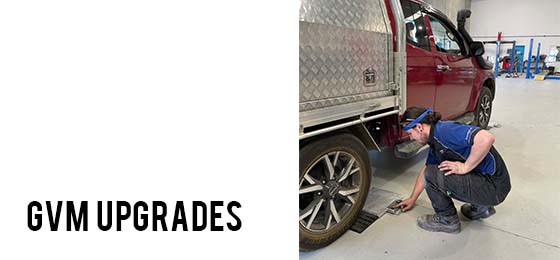
- Consider a GVM Upgrade: A GVM (Gross Vehicle Mass) upgrade involves upgrading your vehicle's maximum weight capacity. This upgrade will allow you to carry and tow heavier loads safely.
- Use Towing Upgrades: There are many quality towing upgrades available that can help increase your vehicle's towing capacity.
Weight Distribution Hitch
This hitch can help balance the weight between your vehicle and the trailer, which reduces the stress on your tow vehicle's suspension and tires.
A weight distribution hitch consists of a receiver, which is attached to the tow vehicle's frame, and spring bars, which distribute the weight of the trailer.
It is important to note that weight distribution hitches have weight limits, so it's essential to check the hitch's maximum weight capacity before using it.
Towing Upgrades
If you are regularly towing heavy loads, you may want to consider investing in towing upgrades. These upgrades can help increase your vehicle's towing capacity and make towing safer and easier.
Some of the most popular towing upgrades include installing a towing package, upgrading the brakes and exhaust system, and adding stiffer springs. It's important to note that some towing upgrades may affect your vehicle's warranty, so be sure to consult with your vehicle's manufacturer before making any changes.
Calculating Towing Capacity
Calculating your vehicle's towing capacity is essential to ensure that you are towing safely and within legal limits.
To calculate your towing capacity, you need to know your vehicle's curb weight, tow rating, and Gross Vehicle Weight Rating (GVWR).
The GVWR is the maximum amount that your vehicle can weigh, including passengers, cargo, and the weight of the vehicle itself. You can find this information in your vehicle's owner's manual or on the compliance plate.
To calculate your vehicle's maximum towing capacity, subtract your vehicle's curb weight from the GVWR. The resulting number is your vehicle's maximum payload capacity.
Next, subtract the weight of any cargo, passengers, and accessories from the payload capacity. The resulting number is your vehicle's maximum towing capacity.
Upgrading Your Vehicle
If your current vehicle isn't capable of towing the weight you need, it may be time to consider upgrading to a heavier vehicle.
When choosing a new vehicle, it's essential to consider its towing capacity, as well as other factors such as fuel efficiency and steering control. You can also consider investing in a vehicle with a larger radiator to prevent overheating and other issues when towing heavy loads.
Another option is to consider a GVM (Gross Vehicle Mass) upgrade. A GVM upgrade increases the legal limit of your vehicle's weight, allowing you to safely tow heavier loads.
It's important to note that GVM upgrades must be done by a qualified mechanic and may affect your vehicle's warranty.
Contact Fulcrum Suspension Today to Upgrade Your Towing Capacity!
At Fulcrum Suspension, we understand the importance of having a vehicle that is properly equipped to handle heavy loads.
That's why we offer a range of products and services to help you safely and effectively increase your vehicle's towing capacity.
Remember to always check your vehicle's towing capacity and never exceed the maximum weight limit or legal limits. By following the tips and guidelines in this guide, you can ensure a smoother, safer, and more enjoyable towing experience.
If you have any questions or concerns about your vehicle's suspension or towing capacity, please don't hesitate to contact Fulcrum Suspension.
Our expert technicians are here to help you get the most out of your vehicle and keep you safe on the road. Contact us today to schedule a consultation or visit us in-store.
Searching for more dependable 4WD resources? Then check out our other popular blogs, including our 4WD Height & Modifications Guide, Body Lift & Suspension Lift and How To Tow A Caravan Safely.


