


If you've ever loaded up for a weekend away and watched your rear end sink toward the bitumen, or felt your 4x4 scrape and wallow through terrain it should have walked over, you've already met the limits of factory suspension long before the manufacturer ever intended you to.
The truth most owners don't realise is that standard suspension was tuned for a lightly loaded daily commute, not the towing, hauling, and off-road punishment Australian drivers actually put their 4x4s through, which is exactly why so many vehicles end up sagging, bouncing, and underperforming within a few years of ownership.
From restoring ride height under a loaded to giving your shocks the room they need to actually work, a lift kit solves the real-world problems factory suspension was never built for, which is why we’ve put together our top five list of reasons you need a lift kit.
1. More Ground Clearance
Fitting a lift kit gives your 4WD the ground clearance factory suspension doesn’t provide, creating vital space between the undercarriage and whatever the terrain throws at you, whether that’s sharp rocks, deep ruts, or the kind of uneven Australian back-tracks that punish stock vehicles without mercy.
That added clearance also shields critical components you can’t afford to damage, including the sump, exhaust, and transmission, sparing you the kind of expensive repairs and downtime that quickly turn a great trip into a costly one.
A suspension lift kit delivers those clearance gains by raising the entire vehicle rather than just the body, improving approach, departure, and breakover angles while keeping suspension geometry and performance intact, leaving you with a 4WD that’s genuinely equipped to handle rough terrain rather than one that just looks the part.
2. Better Load Support
Load up a stock 4WD and it squats at the rear. Headlights point skyward, the tow ball drags low, and weight shifts off the front wheels, taking your braking, steering, and high-speed composure with it. Factory suspension is built for an empty vehicle on smooth roads, so the moment you add a canopy, drawers, a full tank, or a van on the back, it starts giving ground.
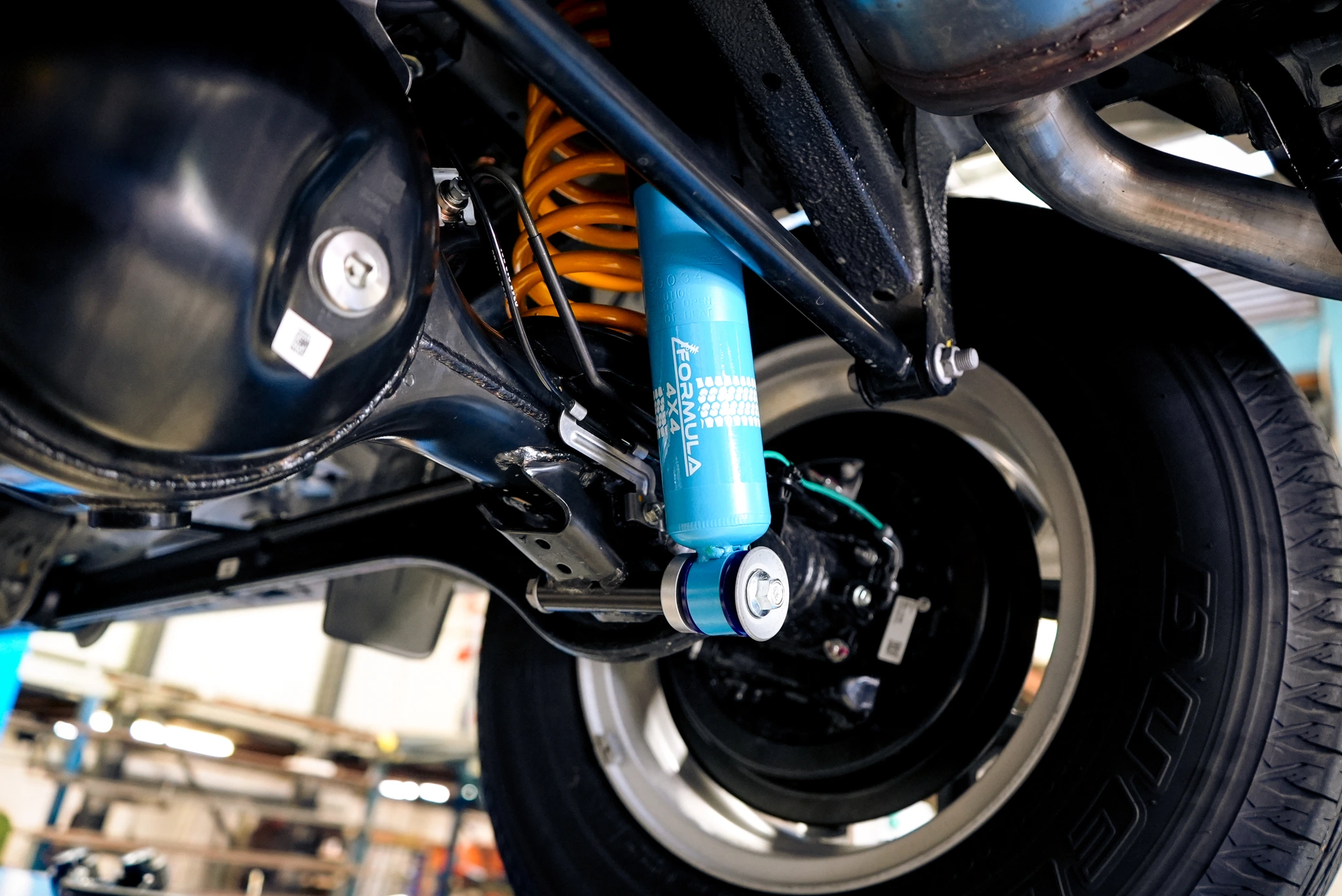
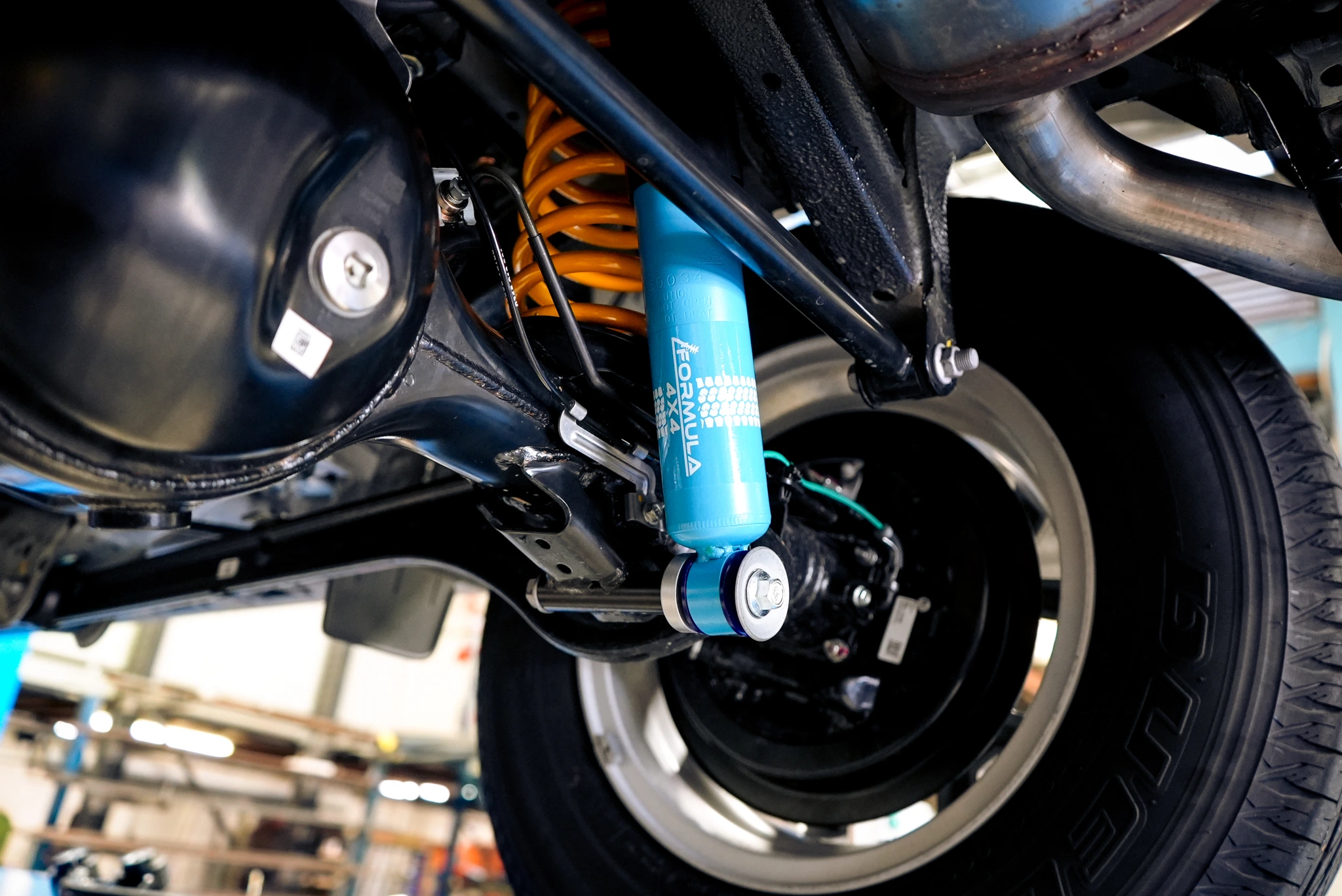
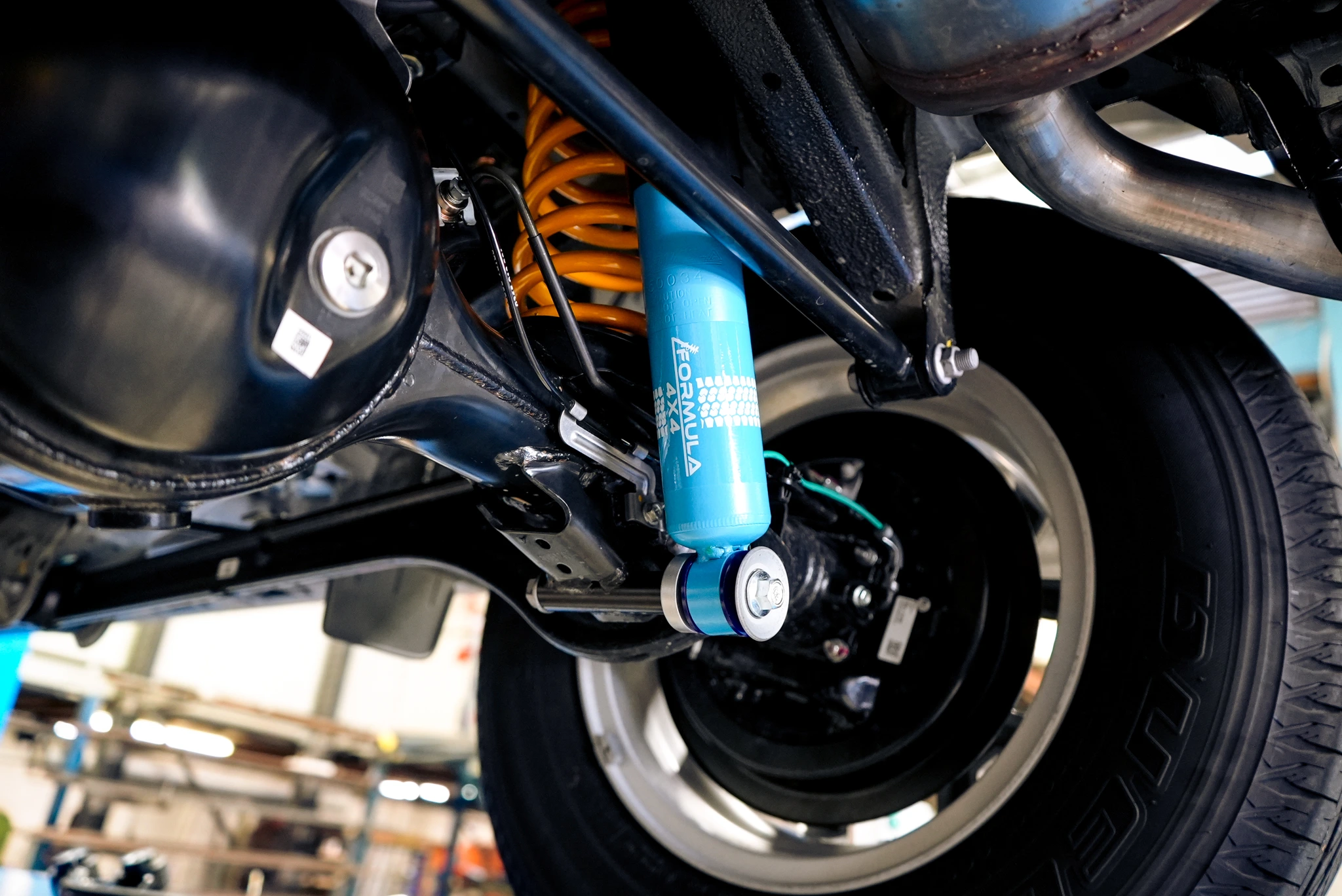
A lift kit changes how your 4WD carries that weight. Heavier-rated springs and matched shocks hold the vehicle level under pressure, keeping ride height where it should be instead of letting the rear collapse every time you load up. Braking stays sharp, steering stays planted, and the headlights keep pointing at the road.
The result is a 4WD that stays stable and predictable whether it's fully loaded, towing a van, or kitted out for an extended trip. You get a vehicle that's genuinely up to the job, rather than one barely holding on.
3. Improved Off-Road Control
Lifting your 4WD delivers a serious boost in off-road capability through increased suspension travel, allowing the wheels to move more freely and stay in better contact with the ground across the kind of uneven terrain that leaves stock setups bouncing, slipping, and scrambling for traction.
Better wheel articulation translates directly into better traction, making it easier to push through rocky tracks, steep inclines, loose sand, and corrugated roads, the very situations where staying in control is the difference between a great day out and an expensive recovery.
Unlike a body lift, which only changes how a vehicle sits, a suspension lift kit upgrades the components that actually determine how a 4WD drives, delivering a more stable, controlled, and predictable feel that gives you the confidence to take on tougher environments without sacrificing safety or performance.
4. Longer-Lasting Suspension
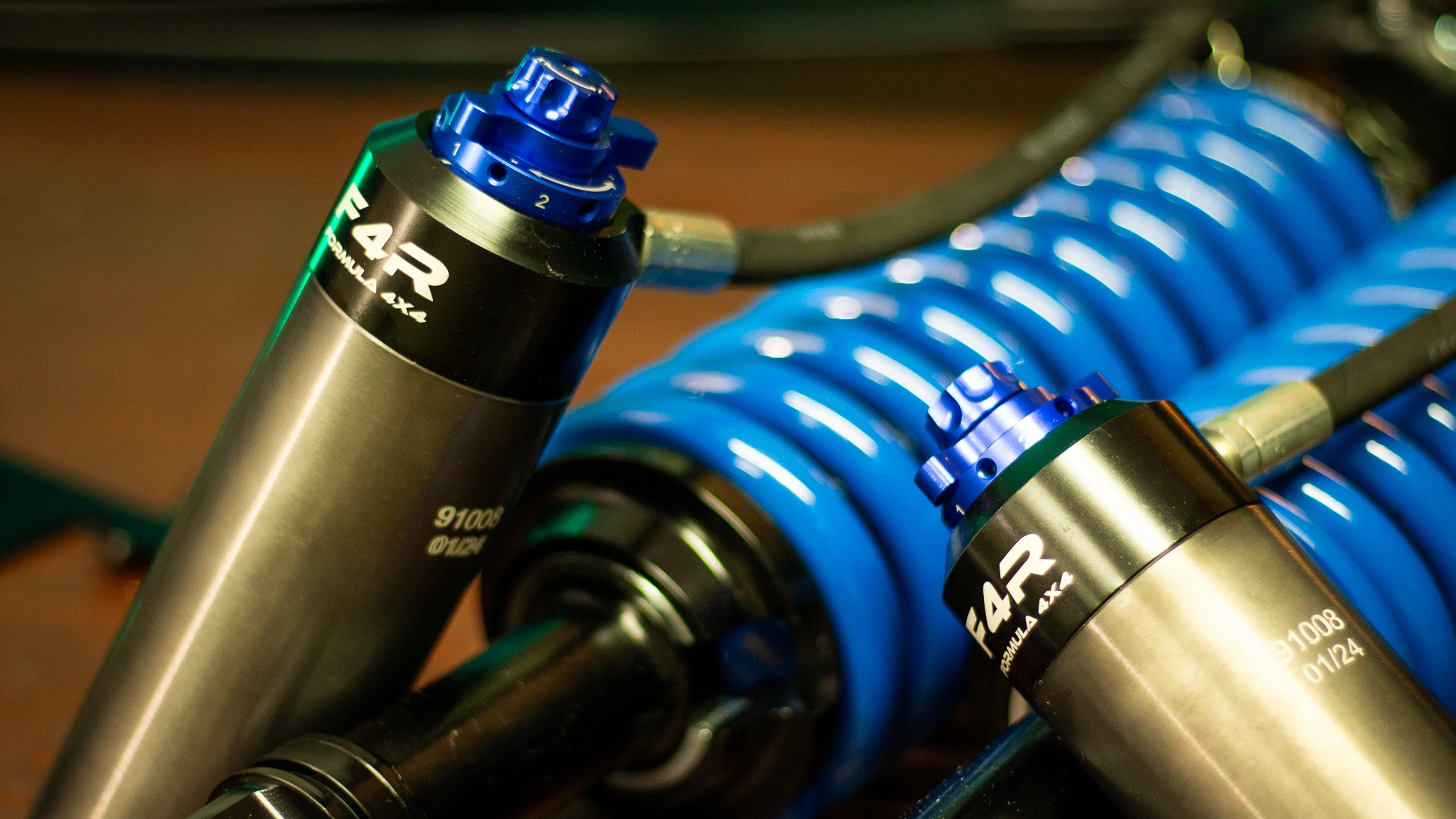
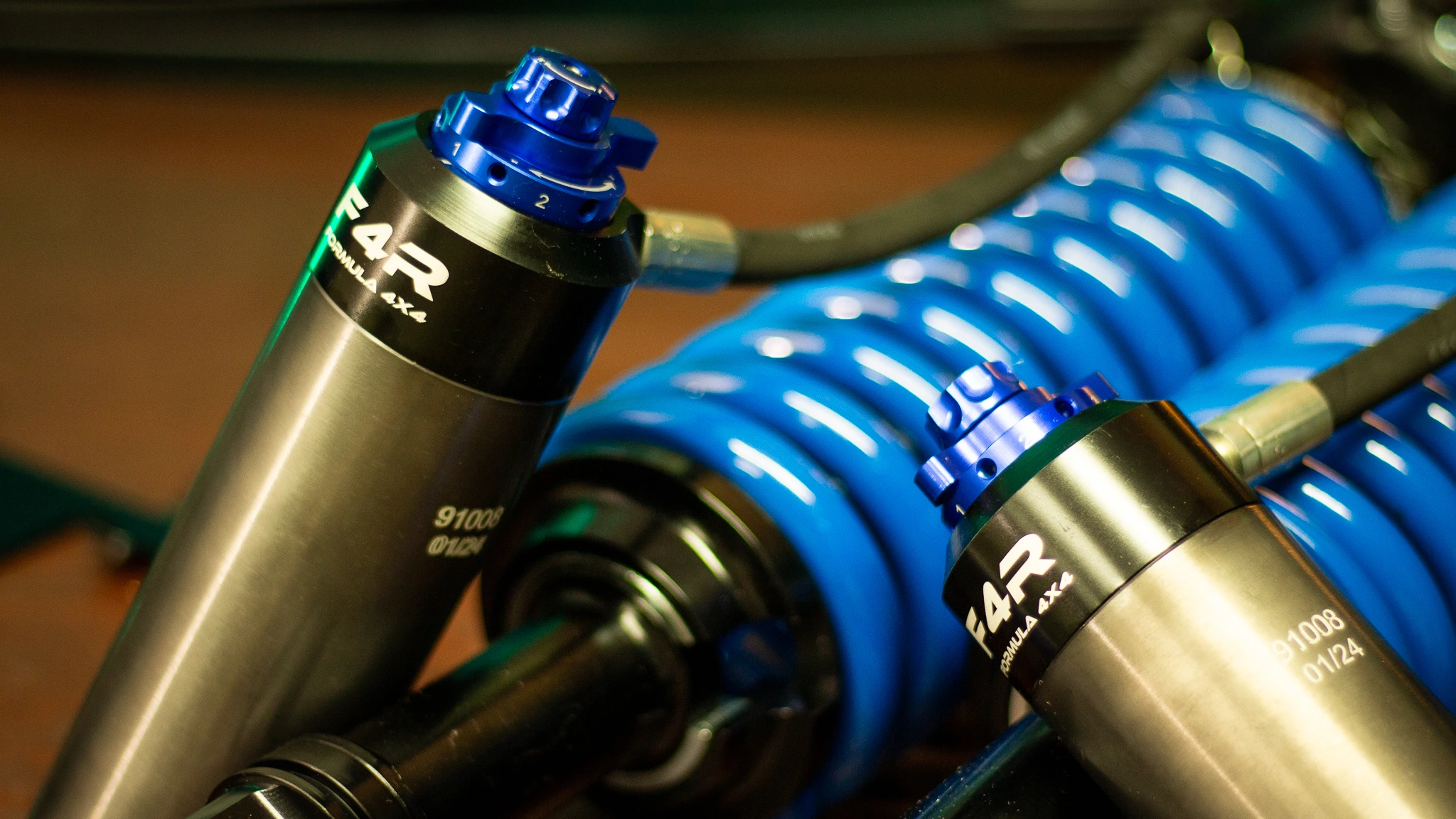
A quality lift kit is built to take the kind of punishment that wears factory suspension out fast, because standard setups were never designed for the heavy loads, rough roads, and constant use that Australian conditions demand, and the costs of pushing them past their limits show up quickly in failed parts and rising repair bills.
Engineered to handle those exact conditions, a lift kit reduces strain across the entire suspension system and maintains consistent performance across a wide range of driving environments, so your 4WD keeps performing the same on every single drive.
That long-term resilience is what separates a 4WD that’s genuinely built for the demands you put on it from one that’s slowly being beaten down by them, so you’re not constantly throwing money at a system that was never going to keep up in the first place.
5. A Tougher Stance That Means Business
There's a certain look a 4WD is meant to have, and most stock vehicles don't quite hit it. They sit a little low, a little soft, with that slight rearward sag that becomes permanent once you've added a bull bar, a canopy, or a few years of hard kilometres.
A lift kit fixes the stance. The vehicle sits taller and squarer, level across all four corners, with the wheels filling the guards the way they were always meant to. Larger tyres get the room they need, the body lines straighten out, and the whole 4WD takes on the upright, planted look that signals it's built for serious work.
It's the difference between a 4WD that looks like it's carrying a load and one that looks ready for the next one. The stance matches the capability, and the vehicle finally looks the part because it genuinely is.
The Bottom Line
Every one of these benefits points back to the same truth, that factory suspension simply wasn't built for the way Australians actually drive their 4WDs, and once you start asking your vehicle to tow, haul, or tackle real terrain, the gap between what it can do and what you need it to do widens with every trip until something has to give.
A properly fitted lift kit closes that gap in every direction at once, lifting you over the obstacles that stock clearance can't clear, holding you level when the load goes on, freeing your suspension to actually work the way it was meant to, standing up to the punishment that wears factory parts out, and giving your 4WD the stance to match the capability you've just unlocked underneath it.
The choice in the end isn't really whether to fit a lift kit, it's whether you keep paying the price of going without one in lost capability, accelerated wear, and the constant feeling that your 4WD is being held back from what it could genuinely do, or you make the upgrade that finally lets it perform the way it was always supposed to.
Lift Kit FAQs
Still weighing up whether a lift kit is right for your 4WD? Here we answer the most commonly asked questions.


