



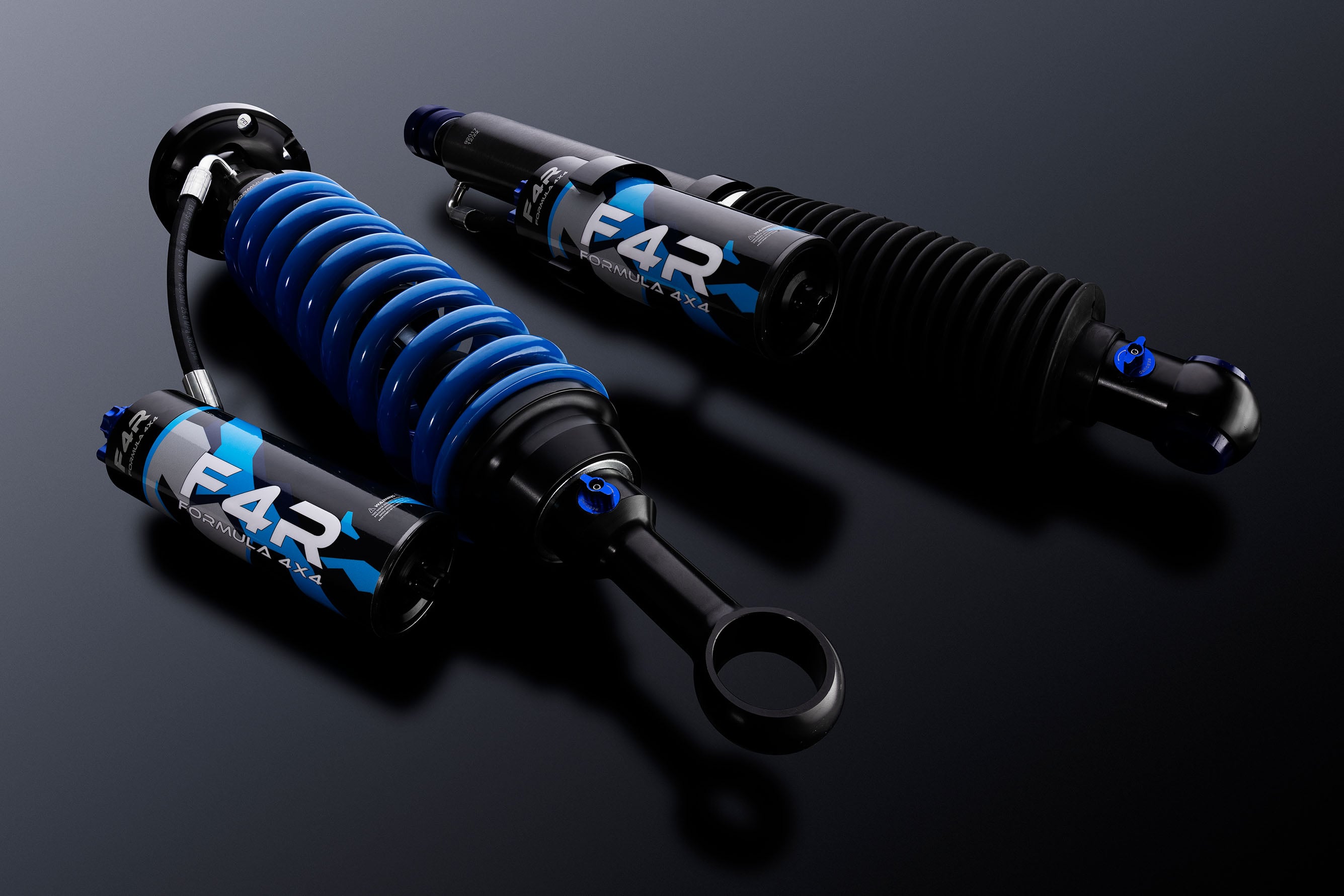

TL;DR: A shock absorber is only a damper. It controls spring movement and bolts in next to a separate spring. A strut is a structural assembly that combines the damper and coil spring in one unit, and it also supports the steering and locates the wheel. Struts cost more to replace and need a wheel alignment afterwards, whereas shocks are usually simpler.
Plenty of people use “shocks” and “struts” as if they name the same part, and the two get mixed up all the time. They’re related, but they aren’t identical, and that difference changes how each one is replaced and what it costs. So here’s the plain-English version. It’s part of our full guide to how to check your car’s suspension.
What is a shock absorber?
A shock absorber is a damper, and nothing more. Its job is to control how fast the spring compresses and rebounds, so the car doesn’t keep bouncing along after a bump. It sits alongside a separate spring rather than carrying the car’s weight itself. Because it isn’t structural, replacing a shock is usually a straightforward job.
When people ask what shock absorbers actually do, that’s the answer. They turn the spring’s bounce into heat and shed it, which keeps the tyre planted. Without them, the spring bounces freely and traction comes and goes.
What is a strut?
A strut is a combined unit. The damper and the coil spring are built into one assembly that also forms a structural part of the suspension and steering. It carries load and locates the wheel, so it’s doing a few jobs at once. Most modern cars run struts at the front and shocks at the rear, though that varies by make and model.
Because a strut is load-bearing and tied into the steering geometry, replacing one means compressing the spring safely and then resetting the wheel alignment once it’s fitted. That extra work is why strut jobs cost more than a plain shock swap.
What’s the practical difference when replacing them?
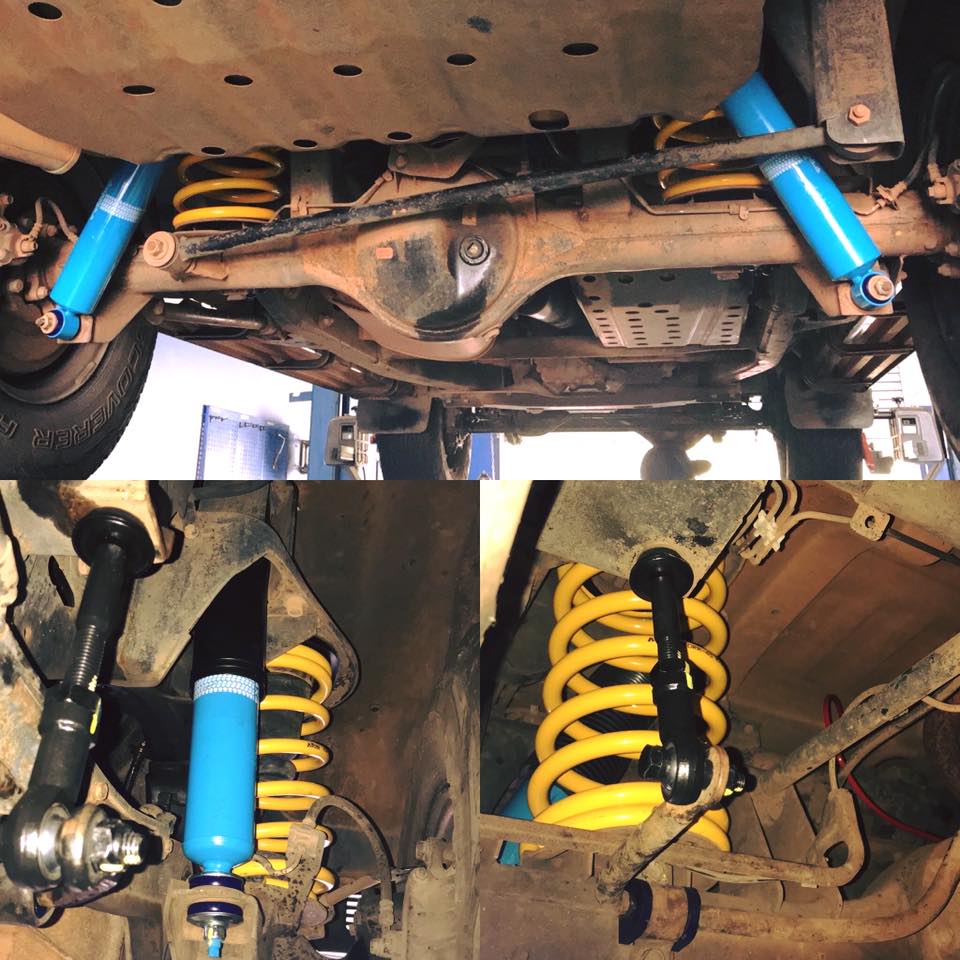
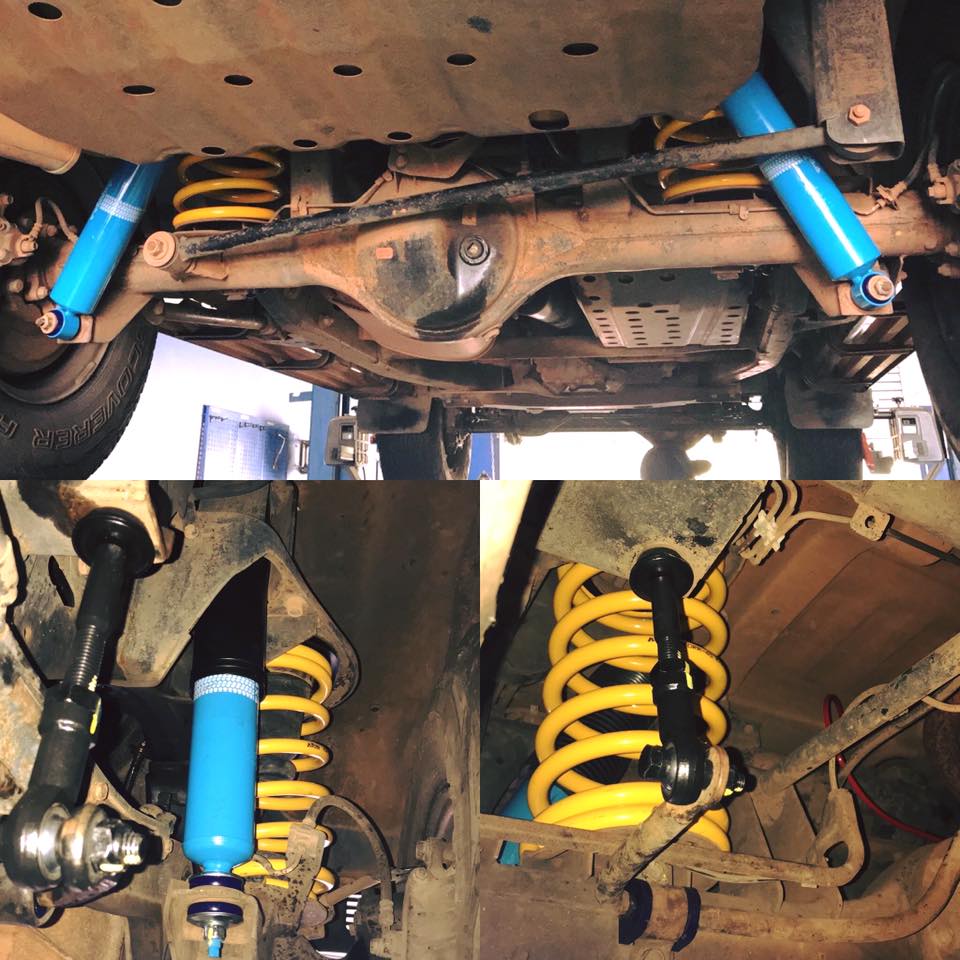
The symptoms of wear are the same for both: bouncing, leaking, poor control, clunks. Where they part ways is in the job itself.
• Shocks: simpler to replace, no spring compression of a structural unit, alignment not always required.
• Struts: more labour, spring handled under tension, wheel alignment needed afterwards, so a higher fitted price.
Either way, replace them in axle pairs and use quality parts matched to your vehicle. Guessing which type you have, or fitting the wrong one, is exactly the kind of thing a workshop sorts out in minutes.
Shocks vs struts compared
|
Feature |
Shock absorber |
Strut |
|
Role |
Damper only |
Damper + spring + structural |
|
Carries weight |
No |
Yes |
|
Part of steering |
No |
Yes |
|
Replacement labour |
Lower |
Higher |
|
Alignment after |
Not always |
Yes |
|
Typical location |
Often rear |
Often front |
Which does my car have?
Most passenger cars and plenty of SUVs run front struts with rear shocks, but there are exceptions everywhere. The quickest way to know for certain is to have it checked against your exact make, model and year. That also tells you the right replacement or upgrade path.
Struts vs Shocks FAQs
Looking for more information about the difference between struts and shocks? Below we answer the most commonly asked questions.
Are struts and shocks the same thing?
Are struts more expensive to replace than shocks?
Can I replace a strut myself?
Do struts need a wheel alignment after replacement?
Which lasts longer, shocks or struts?
How do I check a strut for wear?
Not sure whether your car runs shocks or struts, or which are worn? Book a free suspension check with Fulcrum and we’ll identify it and quote the right fix. For the complete guide, read how to check your car’s suspension.


