




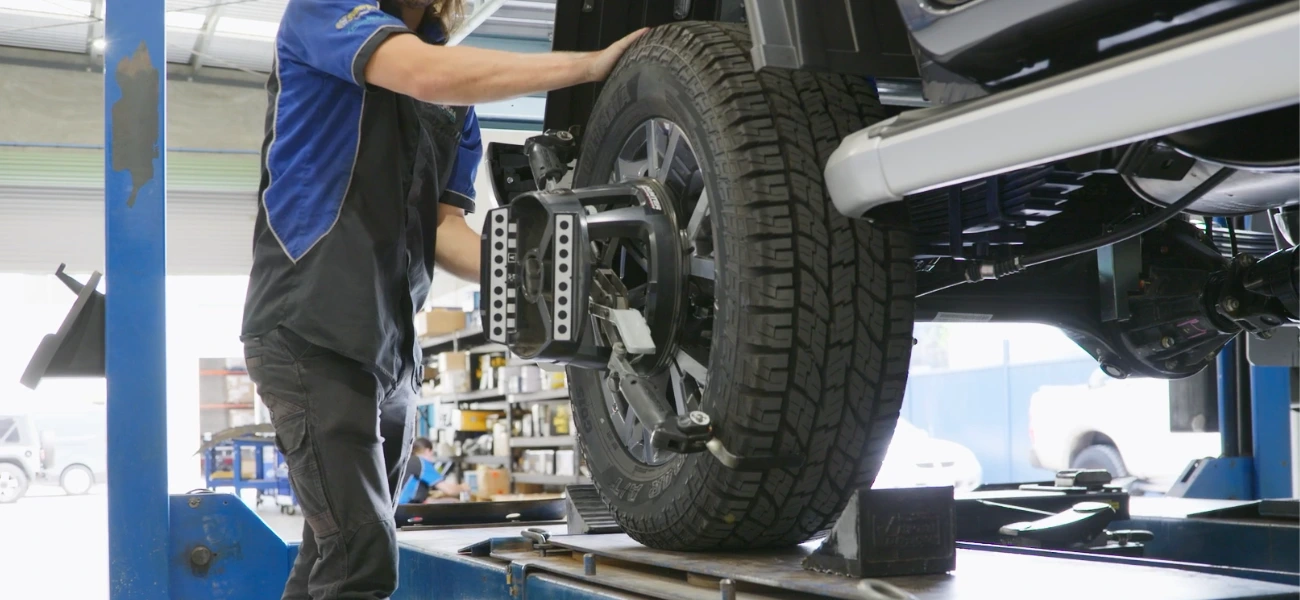

Having your vehicle’s wheels properly aligned is one of the simplest yet most important maintenance tasks you can do. In this blog, we’ll explain what wheel alignment and balancing is, why wheel alignment is important, and the benefits of a wheel alignment for your car’s performance and safety. We’ll also address all the common questions – from car alignment symptoms and wheel alignment cost in Australia, to do I need an alignment after replacing tyres and wheel alignment vs balancing differences. By the end, you’ll understand why getting a wheel alignment is worth it and how it can make a big difference in your driving experience.

Whether you’re noticing issues or just researching, read on to learn how a simple wheel alignment can save you money, improve handling, and extend the life of your tyres. (And if you’re ready, you can book your wheel alignment service online with us at any time.)
What is a Wheel Alignment and Why is it Important?
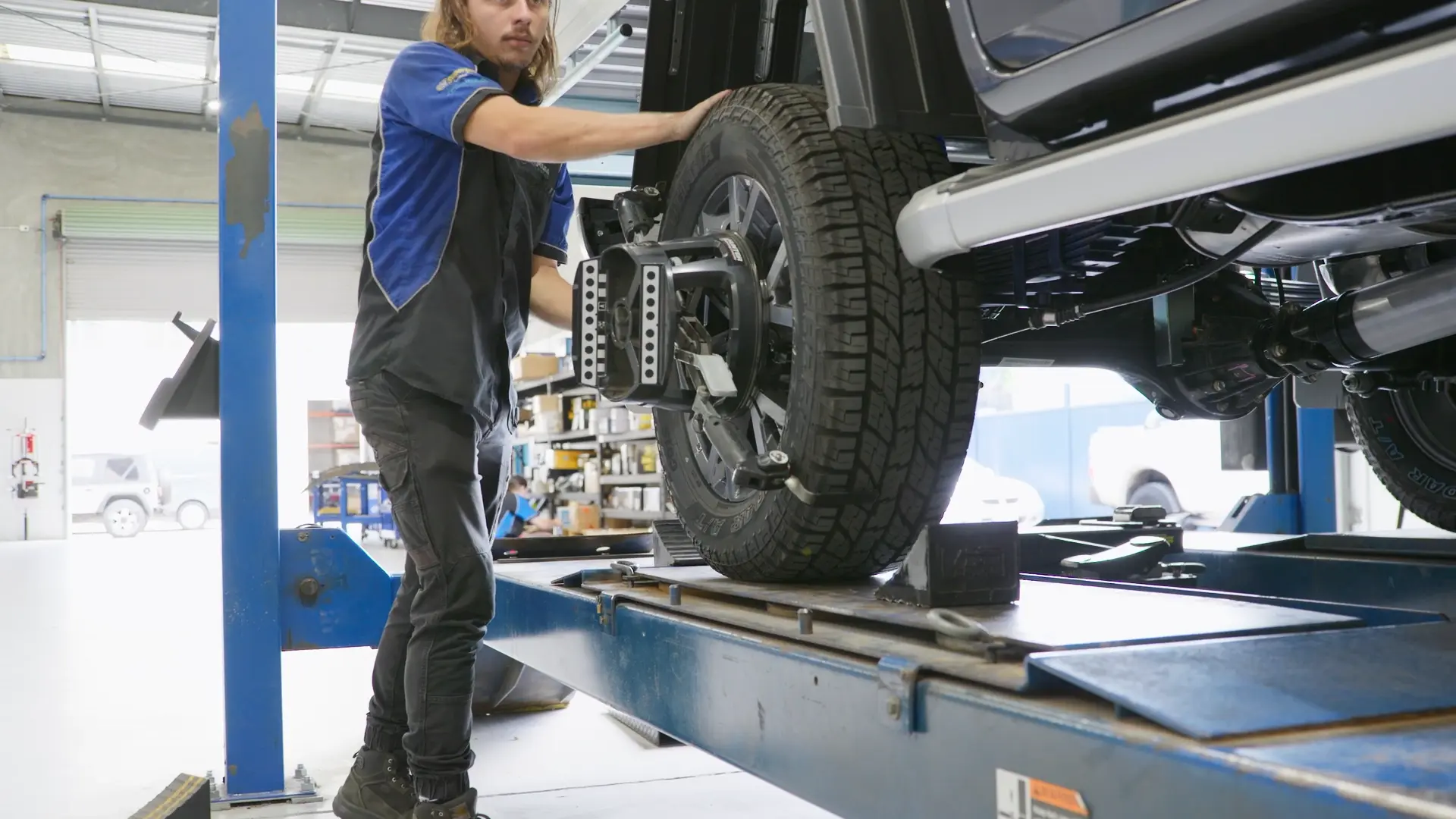
Wheel alignment (sometimes called tyre alignment) is a service that adjusts the angles of your vehicle’s wheels so they are set to the car manufacturer’s specifications. In a proper wheel alignment, technicians fine-tune three main angle settings:
- Camber: the tilt of the wheels inward or outward when viewed from the front.
- Caster: the angle of your steering axis when viewed from the side (which affects straight-line stability).
- Toe: the direction the wheels point relative to the centre of the car (toe-in or toe-out, when viewed from above).
By adjusting these angles, a wheel alignment ensures your wheels are parallel to each other and flat on the road. This maximises the tyre’s contact patch with the road and ensures the car tracks straight. In short, alignment brings your vehicle back to its optimal geometry, as intended by the manufacturer.
Why is wheel alignment important? Because even a slight misalignment can lead to a host of problems. Wheels that are out of alignment will cause your tyres to wear out unevenly and faster, meaning you’ll replace tyres more often (an expensive downside). Misalignment also negatively impacts handling and safety – your car might pull to one side, your steering wheel might not be centered, and the overall stability of the vehicle suffers. Many drivers ask “is getting a wheel alignment worth it?” The answer is absolutely yes! A proper alignment keeps your car driving safely and efficiently, and prevents costly issues down the road. There are virtually no disadvantages of wheel alignment – it’s a straightforward adjustment that corrects your car’s setup. The only “downside” is the small cost of the service, which is negligible compared to the benefits (and we’ll discuss wheel alignment cost Australia later on).
Note: Wheel alignment is often mentioned alongside wheel balancing, but they are not the same thing. Alignment adjusts the angles of the wheels, while wheel balancing ensures the tyre and wheel weight is evenly distributed. We’ll cover wheel alignment vs balancing in more detail below. Both services are important for a smooth ride, and the benefits of wheel alignment and balancing together include improved tyre life, better fuel efficiency, and a smoother ride.
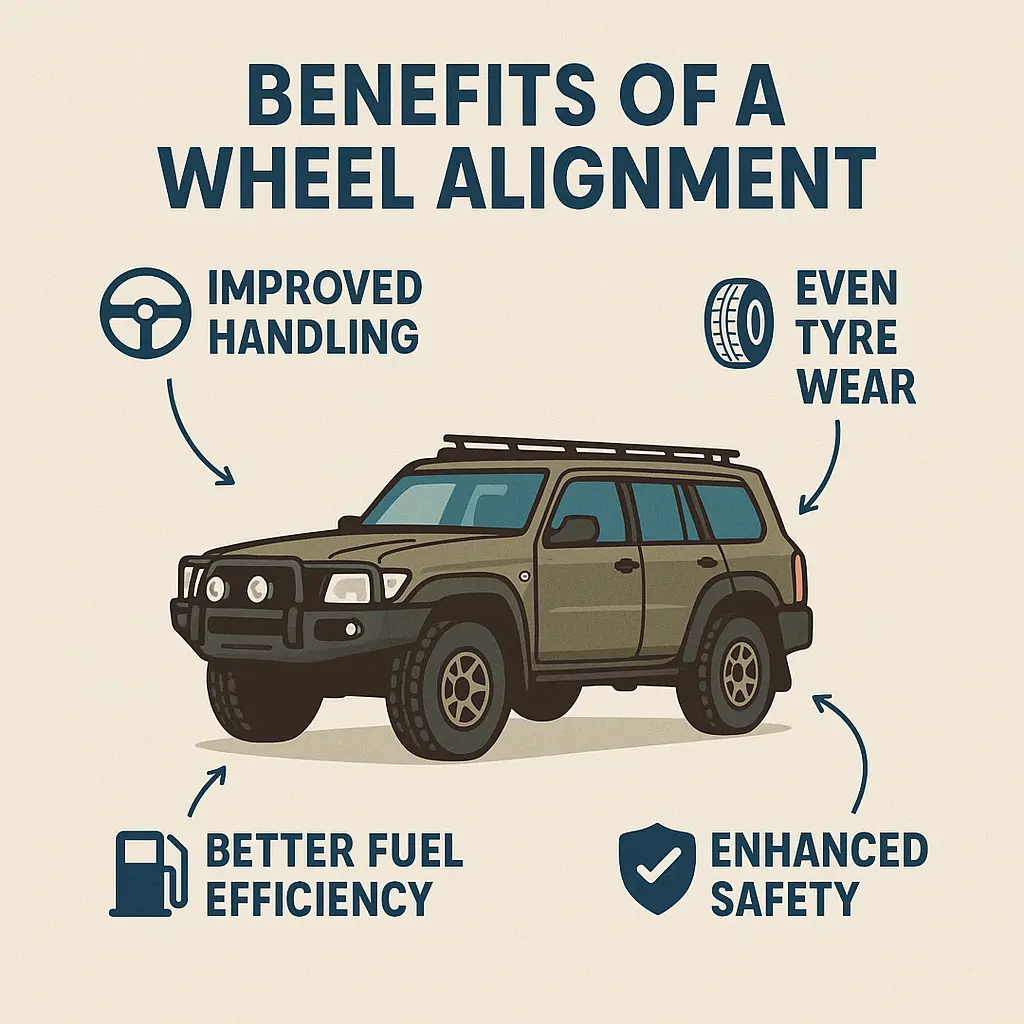
The Benefits of a Wheel Alignment
What are the benefits of a wheel alignment? Performing regular wheel alignments can drastically improve your driving experience and save you money. Here are some of the key benefits:
- Longer Tyre Life: By aligning the wheels, your tyres wear evenly across the tread. This prevents the excessive or uneven tyre wear that happens with poor alignment. Even slight misalignment can chew through a tyre in just a few thousand kilometres. Correct alignment maximises tyre lifespan, so you won’t have to replace your tyres as frequently. In other words, it saves you money on tyres in the long run.
- Improved Fuel Efficiency: When wheels are misaligned, they create more rolling resistance (the tyres are essentially dragging or scrubbing on the road slightly). This makes your engine work harder to move the car forward, which reduces your fuel economy. With proper alignment, the rolling resistance is minimised, so your car can roll smoothly and use fuel more efficiently. Many drivers notice an improvement in MPG (or litres per 100km) after getting an alignment. It might not seem like much, but a wheel alignment can make a big difference – even a few percent better fuel efficiency adds up over time (saving you at the pump).
- Better Handling and Safer Driving: A correctly aligned car will track straight and true. You won’t have to fight the steering wheel to keep the car going straight, and the vehicle will feel stable around corners. If you’ve been wondering, “will my car drive better after an alignment?” – the answer is a resounding yes! You’ll notice improved steering response and less drifting on the road. The car will feel smoother and easier to control, which enhances overall safety. Proper alignment also means shorter and more even braking; when your tyres have full contact with the road, your brakes can do their job more effectively.
- Reduced Wear on Other Components: Driving with misaligned wheels can put extra stress on your suspension and steering parts. For example, you might constantly be correcting the steering, which strains the steering system. Alignment prevents this unnecessary stress, potentially extending the life of your suspension components (bushings, ball joints, tie rods, etc.). It’s a preventative measure that keeps the whole vehicle in better shape.
- Smoother Ride: If your alignment is off, you might feel vibrations or shaking (often due to uneven tyre wear or wheels fighting each other’s direction). With everything aligned, the ride is smooth and vibration-free (assuming your tyres are balanced and suspension is in good condition). No more subtle pulling or wheel shimmy on the highway – just a comfortable ride for you and your passengers.
In summary, is getting a wheel alignment worth it? Absolutely. It’s a relatively quick and inexpensive service that pays dividends in tyre life, fuel savings, safety, and comfort. A properly aligned car simply drives better – often immediately noticeable after the service. Some drivers are amazed at how differently (and how much better) their car feels once it’s aligned. So if you’re on the fence or think an alignment might not matter, remember that these benefits show does a wheel alignment make a big difference – yes, it really does, especially if your alignment was significantly out.
(Bonus: Many of these benefits apply even if you haven’t noticed a problem. Even if your car “feels fine,” an alignment check could reveal minor deviations that, once corrected, make your car even more efficient and crisp to drive. It’s both preventive and improvement-oriented.)
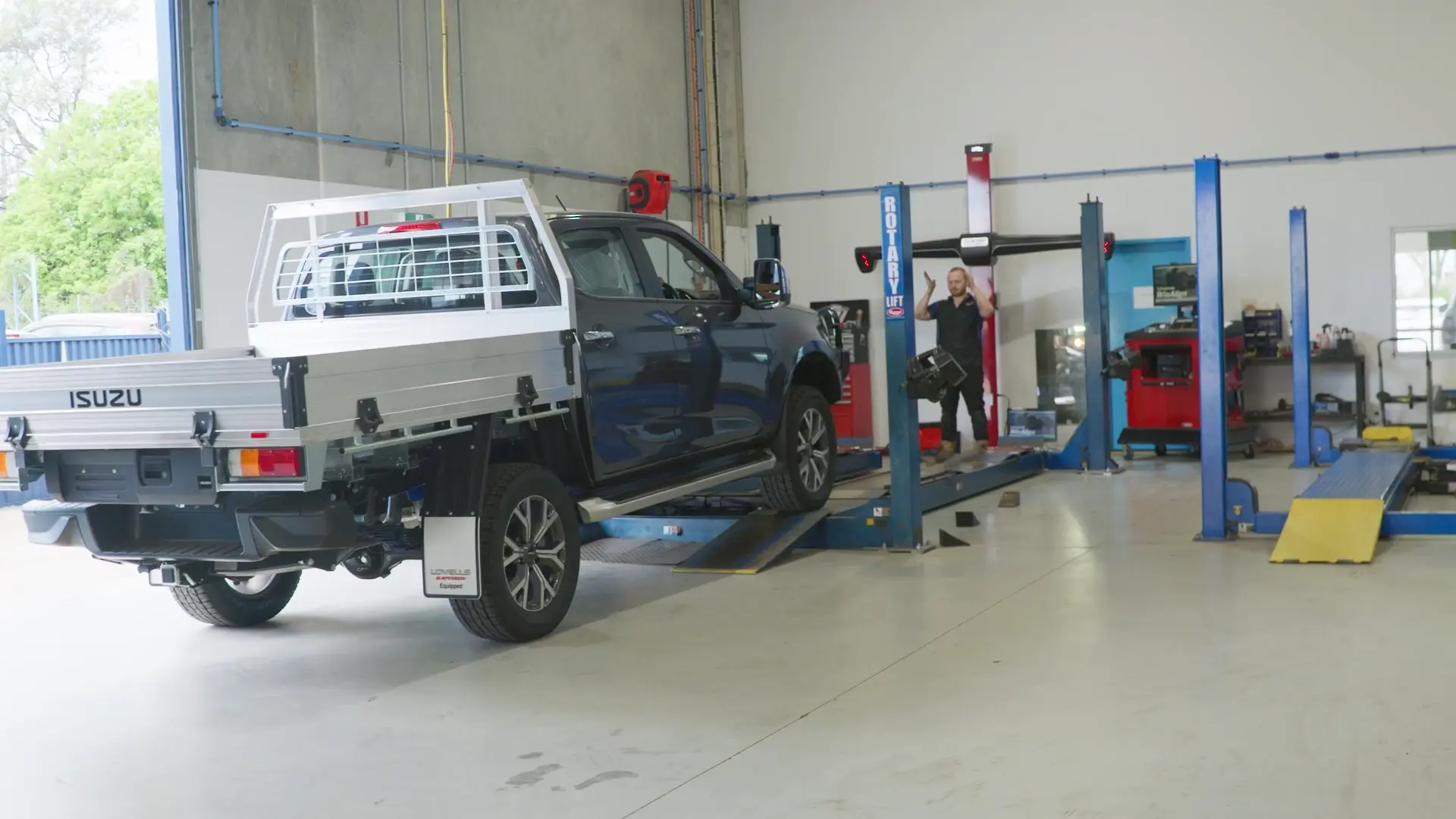
Car Alignment Symptoms: How to Tell If You Need a Wheel Alignment
How do you know if it’s time to get your wheels aligned? There are several car alignment symptoms to watch out for. If you experience any of these, it’s a clear sign you may need an alignment service. So, what is the symptom of poor alignment? In reality, there are usually multiple symptoms or warning signs. Common indicators include:
- Vehicle Pulling to One Side: If you’re driving on a straight, level road and your car constantly drifts or pulls to the left or right, that’s a classic sign of misalignment. You should be able to briefly let go of the steering wheel and have the car continue straight; if it veers off course, the alignment likely needs checking.
- Steering Wheel is Off-Centre: Your steering wheel should sit almost perfectly centred (car logo upright) when driving straight. If you notice the steering wheel is crooked or not aligned straight while the car is going straight, this indicates the wheels themselves are out of alignment. Sometimes people refer to this as a “steering wheel alignment” issue – it’s resolved by a proper wheel alignment.
- Uneven or Excessive Tyre Wear: Take a look at your tyre treads. Are the inside or outside edges of the tyres wearing out faster than the rest? Uneven tyre wear – for example, one edge balding while the opposite edge looks fine – often points to alignment problems. Poor alignment can also cause excessive wear overall, even if even – you might find you’re replacing tyres far too frequently. If one tyre or one side of the car’s tyres is worn more, that’s a red flag. (Conversely, after an alignment, your new tyres should wear evenly across the tread.)
- Vibrations or Shaking: Misalignment itself doesn’t always cause vibration (wheel balancing issues are a more common cause of vibrations), but alignment can contribute to steering wheel vibrations if tyres have worn unevenly as a result. You might feel a shudder in the steering at certain speeds. Also, if the car is misaligned, parts of the suspension may vibrate or feel loose. Always investigate new vibrations – if it’s not balanced, it could be alignment or related component wear.
- Handling Feels Loose or Unstable: You might describe it as the car feeling “floaty” or wandery. If the car doesn’t respond immediately to steering input, or requires constant minor corrections to keep straight, something could be off in the alignment or suspension. Essentially, the car just doesn’t drive straight easily or feels unstable in corners.
- Recent Impact or Changes: Think about events like hitting a deep pothole or curbing a wheel. Sudden impacts can knock alignment out. Also, after an accident or any collision, you should get the alignment checked. Even replacing suspension components (like tie rod ends, control arms, etc.) or altering ride height can affect alignment angles. If any of these happened, consider an alignment soon afterward.
If you notice one or more of these symptoms, it’s wise to get a wheel alignment. Sometimes these signs come on gradually and you get used to them. For example, you might not realise how far off-centre you’ve been holding your steering wheel, or how much you’ve been compensating for a pull, until it’s fixed. That’s why even without obvious symptoms, it’s recommended to periodically have alignment checked. In the next section, we’ll cover wheel alignment how often you should do this service.
(One more thing: if your steering feels heavy or you hear unusual noises from the suspension, those could also hint at alignment or related issues. While they could be other things too (like low power steering fluid or worn parts), it’s all interrelated. At Fulcrum Suspensions, whenever we do an alignment, we also do a complimentary suspension check to make sure any underlying issue – the cause or result of misalignment – is addressed.)
How Often Should You Get a Wheel Alignment?
Regular maintenance is key to car longevity, and wheel alignments are no exception. So, wheel alignment – how often is it needed? As a general rule of thumb, you should have your wheel alignment checked at least every 6 months or roughly every 10,000 kilometres (whichever comes first). Many car manufacturers recommend an annual alignment as part of maintenance.
Why so often? Because Australia’s road conditions (and off-road adventures) can be tough on your suspension. Regular alignments ensure any minor deviations are corrected before they turn into major tyre wear issues. It’s a bit like dental checkups – small corrections prevent big problems.
In addition to time or mileage intervals, you should get an alignment whenever certain events occur:
- After Replacing Tyres: Do I need an alignment after replacing tyres? We highly recommend it. When you put on brand new tyres, you want them to wear evenly right from the start. If your old tyres wore unevenly due to misalignment, that issue will continue with the new ones and prematurely wear them too. Getting a fresh alignment with new tyres is the best way to protect your investment and ensure a smooth ride.
- Suspension Repairs or Upgrades: If you replace shocks, struts, tie rods, bushings, or any suspension/steering components, you should have the alignment checked/adjusted. New parts can slightly shift alignment settings. Similarly, if you’ve lifted or lowered your vehicle (changed the ride height), an alignment is mandatory afterward to reset the angles.
- After Significant Impacts: As mentioned, any time you hit a big pothole, bump a curb, or have a fender-bender, it’s wise to check the alignment. Even if the car seems okay, these knocks can push things out of spec.
- If You Notice Symptoms: Of course, if you detect any of the car alignment symptoms we listed above (pulling, off-centre steering, etc.), don’t wait – get an alignment inspection soon rather than putting it off.
Keep in mind that aligning your wheels periodically is far cheaper than the cost of new tyres or suspension repairs that misalignment can cause. It’s preventive maintenance. Many drivers treat alignments as “optional” until a problem is obvious, but by then you might have already unevenly worn your tyres. It’s better to be proactive. Think of a wheel alignment as how you keep your car driving “like new” over the years. A car that’s regularly aligned will handle and perform consistently, whereas one that’s neglected might gradually degrade in ride quality and you might not realise it until it’s bad.
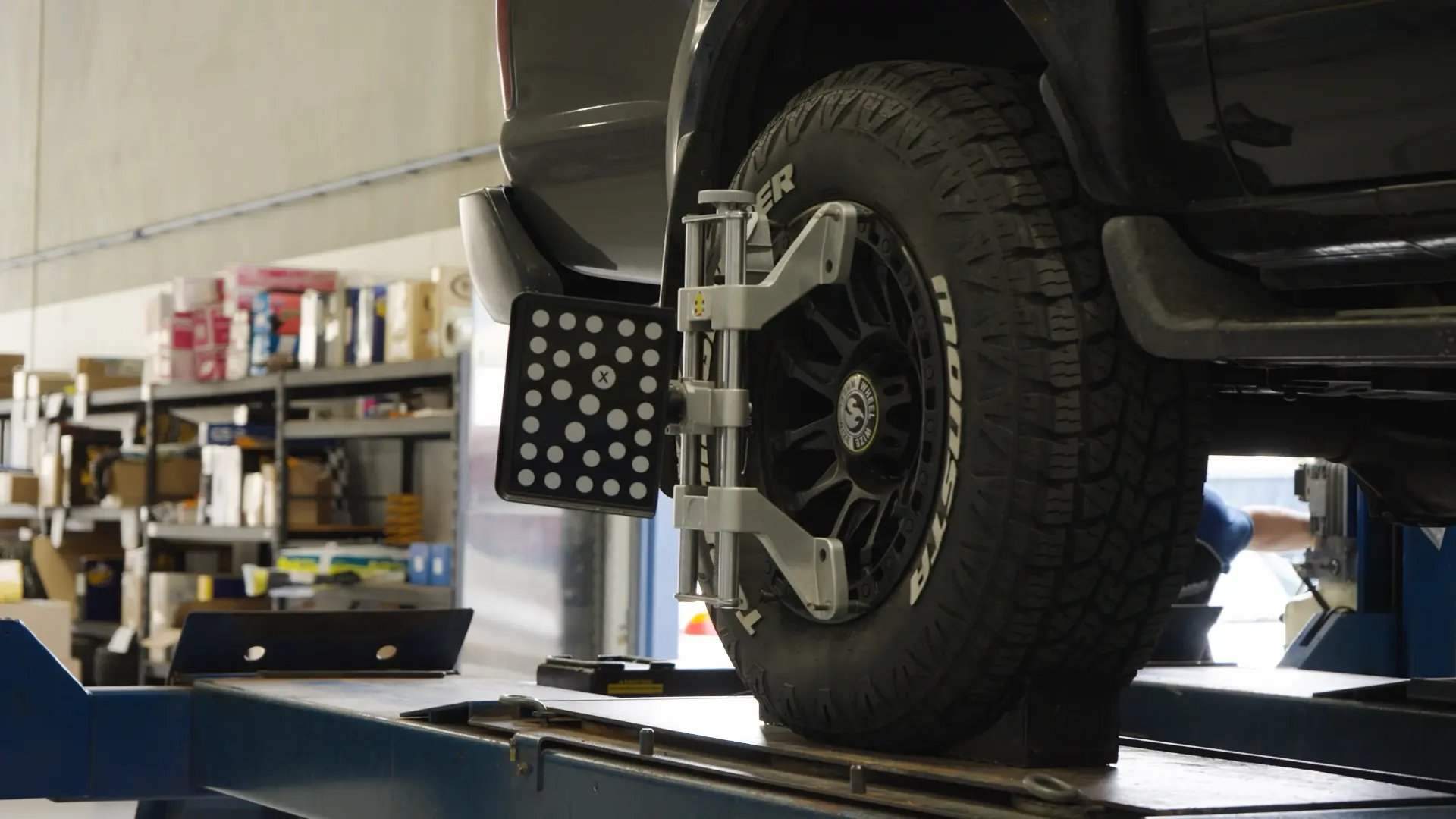
How Much Does a Wheel Alignment Cost in Australia?
Cost is always a consideration when it comes to car maintenance. If you’re Googling around for wheel alignment cost or wheel alignment prices near me, you’ll find that prices can vary slightly depending on location, vehicle type, and what’s included. So, how much should a car wheel alignment cost?
At Fulcrum Suspensions in Australia, a front wheel alignment starts at about $98, while a full front & rear alignment is roughly $178, and a 4x4 alignment about $122 (these are current as of 2025). These prices include more than just the alignment – a full suspension inspection is included at no extra charge. That means while aligning, the technicians will also check your suspension components (bushings, joints, etc.) to ensure there are no other issues. Not every shop offers this, so when comparing wheel alignment prices near me, consider the value you’re getting. A slightly higher price at a specialty shop may include extra services or expertise that you wouldn’t get with a cut-price alignment deal.
It’s also worth noting that wheel alignment cost Australia-wide might be slightly higher on average than, say, in some other countries, due to different labour rates and equipment costs. But the range given above is a good guideline. Always ensure the shop doing the alignment is reputable and uses proper alignment equipment. The old saying “you get what you pay for” can apply – the cheapest wheel alignment isn’t a bargain if it’s done poorly. A bad alignment job can be just as bad as no alignment (or worse, if they set things incorrectly). That’s why choosing experienced suspension specialists like us, Fulcrum Suspensions can be worth it.
To sum up, how much does a wheel alignment cost is a small price compared to the costs it helps you avoid (premature tyre replacement, extra fuel, potential accidents from poor handling). And when you factor in the extended tyre life and improved fuel mileage, a quality alignment basically pays for itself over time. Many customers find that their car drives better after an alignment, making it a satisfying service to invest in.
(Tip: When scheduling an alignment with us, get us to do wheel balancing at the same time. Alignment and balancing are distinct services, but both contribute to a smooth ride. Most tyre shops will do both if you’re getting new tyres. If you’re experiencing vibration at speed, you might need a balance in addition to alignment.)
Why Choose Fulcrum Suspensions for Your Wheel Alignment?
Fulcrum Suspensions is a specialist when it comes to alignments, and there are some compelling reasons to trust us with your car’s alignment needs. We don’t just perform a basic alignment and call it a day – our service is comprehensive and tailored to ensure you get the best results and peace of mind. Here’s what sets Fulcrum’s wheel alignment service apart:
- Expert Technicians & Advanced Technology: Our team consists of highly trained suspension and steering technicians with decades of experience. We use state-of-the-art alignment machines and digital equipment to measure your vehicle’s alignment with pinpoint accuracy. This technology allows us to adjust your car’s alignment to the exact manufacturer specifications for your model, or even tailor it to your driving preferences if needed. Because we focus on car suspensions and alignments every day, you can be confident no one does wheel alignments better than us.
- Personalised, Vehicle-Specific Adjustments: Every car is a bit different. We cater each alignment to the unique vehicle and its condition. For example, a performance sports car might be aligned for optimum handling, whereas a 4WD that frequently goes off-road might have settings to favour stability under load. We handle front-wheel-drive, rear-wheel-drive, and 4WD alignments – whatever you drive, our experts ensure it drives straight and true when it leaves the shop.
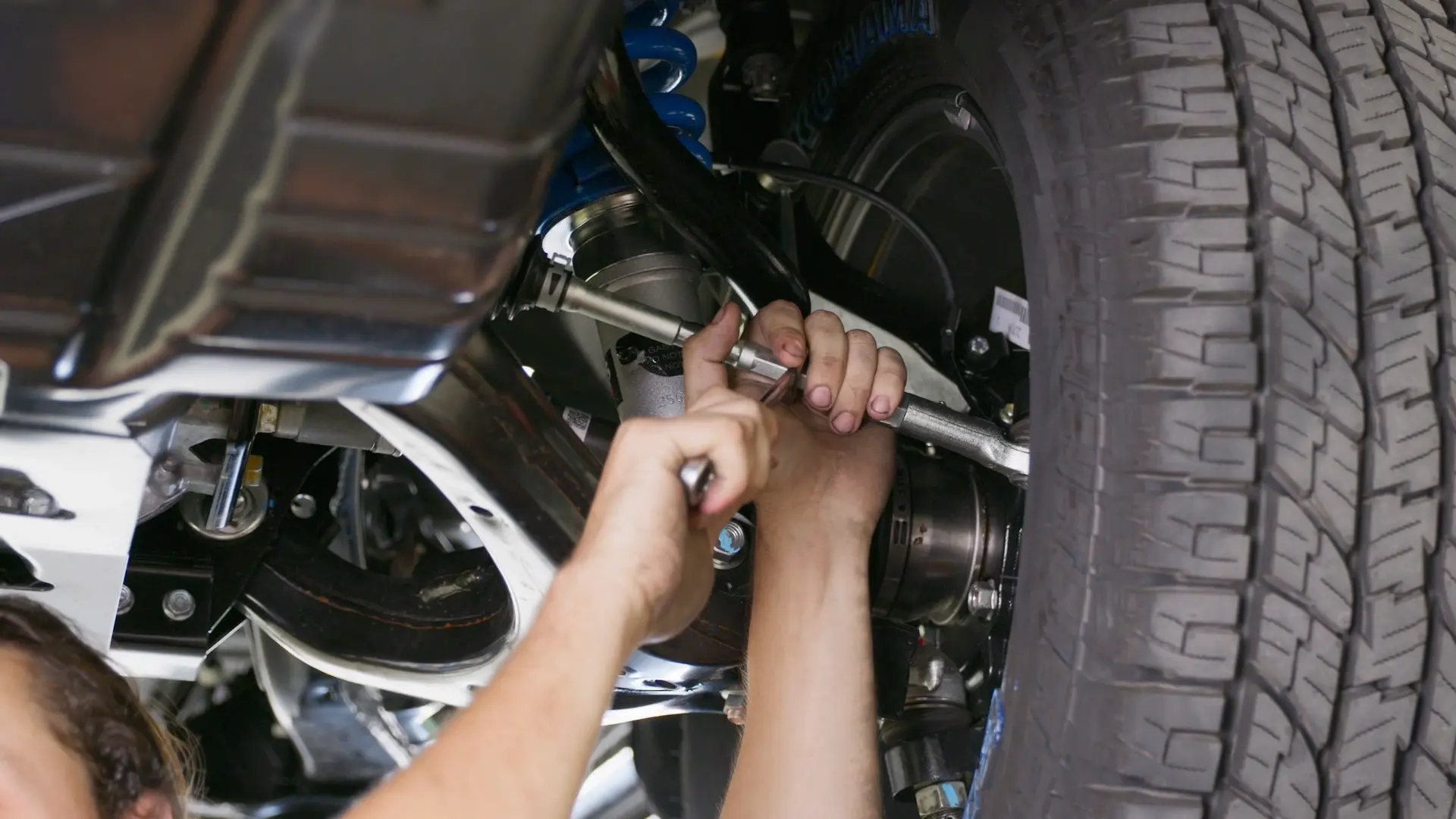
- Complimentary Suspension Inspection: When you get a wheel alignment at Fulcrum, we include a free comprehensive suspension check as part of the service. This means we inspect critical components like tie rod ends, rack ends, ball joints, wheel bearings, shock absorbers, control arm bushings, and more. We check for any play, wear, or damage in these parts. Why do we do this? Because sometimes the need for an alignment is caused by a worn part – for instance, a bad ball joint or bushing can lead to alignment issues. By catching and addressing such issues, we not only align your wheels but also ensure there isn’t an underlying problem that could undo that alignment. This thorough approach is something a general mechanic might skip (since their focus is often on the engine, not suspension). At Fulcrum, your entire steering and suspension system gets attention, giving you confidence in your vehicle’s overall health.
- Detailed Report and Friendly Advice: After the alignment and inspection, we provide a detailed report of the alignment settings (before vs. after) and any findings from the suspension check. Our technicians will give you honest, jargon-free advice on anything we found. If everything is in great shape, we’ll let you know you’re good to go. If something needs attention, we’ll explain the issue and the best solutions, prioritising what’s needed for safety and performance. Our goal is for you to drive away not only with your car driving better but also with peace of mind about its condition.
- 1000km Post-Service Checkup: We are so confident in our alignment service that we invite you back for a free 1000km checkup. After you’ve driven about 1000 km on your newly aligned wheels (which for most people is a few weeks to a couple of months of driving), you can return to any Fulcrum Suspensions location and we will re-inspect the suspension at no charge. This is a complimentary follow-up to ensure everything is still perfect after you’ve had time to experience the alignment on all kinds of roads. It’s very rare for alignment settings to “move” if done correctly, but this checkup is about your satisfaction and safety. If you had any questions or felt anything odd, we’ll address it. We believe in long-term care, not just a one-off service. This kind of post-service support is unique and part of the Fulcrum difference.
- Convenient Locations (Wheel Alignment Near Me): With over 200+ locations Australia-wide, it’s easy to find a Fulcrum Suspensions service centre near you. If you’re searching for a wheel alignment near me, chances are we have a store within reach. Our network of shops and skilled techs means you get consistent, high-quality service no matter which location you visit. You’ll get the same expertise and customer care at every Fulcrum branch. We also offer easy online booking and prompt service to get you back on the road quickly.
- Trusted by Thousands of Customers: We’ve been in the industry for 45+ years, and have served hundreds of thousands of happy customers across Australia. Our reputation is built on quality workmanship and excellent customer service. We’re proud to have high customer ratings (often 4.5 stars and above) and to be known as “the suspension experts.” When it comes to wheel alignments, our experience is second to none. We treat your car like it’s our own, and our technicians take pride in solving alignment issues and improving how your vehicle drives.
In short, Fulcrum Suspensions offers wheel alignment services that go above and beyond a basic alignment. You get precision alignment, complimentary checks, expert advice, and the backing of a company that truly cares about your vehicle’s performance. When you drive away after a Fulcrum alignment, you can immediately feel the improvement – your car will likely handle like a dream, with no more pulling or drifting, and you can be confident it’s been thoroughly checked over.
Ready to experience the benefits of a proper wheel alignment? Let the experts at Fulcrum Suspensions take care of you. Book your wheel alignment here and enjoy a safer, smoother, and more efficient drive. We’ll ensure you’re pointed in the right direction – literally!
We hope this article has answered your questions about wheel alignments. The benefits of wheel alignment and balancing are clear – from saving money to improving safety – and it’s a maintenance step every driver should consider regularly. If you have more questions or would like to experience the difference of a precision alignment, don’t hesitate to reach out or book an appointment with us today. Happy driving!
Follow Us for New Product Releases, Updates, and More! Connect with us on YouTube, Facebook, Instagram, & TikTok.
FAQ: Wheel Alignment
Below we answer some frequently asked questions about wheel alignments, covering everything from the basics to specific concerns:
What is the difference between wheel alignment and wheel balancing?
Wheel alignment and wheel balancing are two different services that complement each other. Wheel alignment adjusts the angles of the wheels (toe, camber, caster) so that they are positioned correctly relative to the car’s frame and each other. This prevents pulling and uneven tyre wear.
Wheel balancing, on the other hand, addresses imbalances in the tyre/wheel assembly. When a tyre is mounted on a wheel, there can be heavy spots that cause vibration at speed. Balancing adds small weights to the rim to ensure the wheel rotates evenly without wobble.
In short, alignment = adjusting angles for directional stability and even wear, while balancing = adding weights to eliminate vibrations. Both are important: alignment keeps your car tracking straight and tyres wearing evenly, and balancing keeps your ride smooth (no shudder or shake at highway speeds). Whenever you get new tyres, you should have both done.
And if you feel vibration but the car still pulls straight, you might need balancing (vibration) or alignment (pulling), or sometimes both.
How do you tell if you need a wheel alignment?
You’ll know you need a wheel alignment if you experience certain symptoms of poor alignment. The easiest things to notice are if your car pulls to one side when driving on a straight road, or if your steering wheel is off-centre even though you’re driving straight.
Another tell-tale sign is uneven tyre wear – for example, if the inside edge of your front tyres is wearing out faster than the outside edge (or vice versa).
Vibrations in the steering wheel, or a general feeling that the car’s handling is “loose” or not as stable as it used to be, can also indicate misalignment.
If you’ve recently hit a big pothole or curb, or had suspension components replaced, it’s a good idea to check the alignment too.
Do I need an alignment after replacing tyres?
It’s highly recommended to get an alignment when you replace your tyres. While not absolutely “required,” it’s considered best practice.
If your old tyres wore out unevenly due to alignment issues, putting new tyres on without fixing the alignment means the new tyres will start wearing unevenly in the same way. You’ll significantly shorten the life of those expensive new tyres.
Even if your old tyres wore evenly, installing new tyres is a good opportunity to ensure everything is aligned perfectly, so you get the best performance and longevity from the new set.
How often should I get a wheel alignment?
You should get a wheel alignment approximately once a year or every 10,000 km as routine maintenance. Some experts advise every 6 months if you drive a lot or on rough roads.
Also get an alignment whenever you notice alignment symptoms or after events like hitting a pothole or replacing suspension parts. Regular alignments will keep your car driving straight and save your tyres from uneven wear.
How much does a wheel alignment cost?
At Fulcrum Suspensions, a wheel alignment starts at about $98 for front wheels, with a full 4-wheel alignment around $178 (4x4s around $122).
Make sure it includes the complete alignment and a thorough check. An alignment cost is small compared to the cost of new tyres, so don’t skimp on a quality alignment.
Is getting a wheel alignment worth it?
Yes, absolutely – getting a wheel alignment is worth it. It ensures your car drives straight, handles safely, and doesn’t eat up tyres prematurely.
It also saves fuel and makes your car feel better to drive. Skipping alignments might seem to save you a bit now, but you’ll likely pay more later in worn-out tyres, worse fuel economy, and possible safety risks.
Will my car drive better after an alignment?
Your car will almost certainly drive better after an alignment, especially if the alignment was significantly off. Most customers report an immediate difference in steering and stability.
If your car was only slightly out of alignment, the improvement might be subtle, but you’re still preventing future issues. And if it was way out, you’ll feel like you’re driving a new car.
What are the disadvantages of wheel alignment?
There are virtually no disadvantages to getting a wheel alignment. The only real downsides are the cost and time involved – and even those are minor compared to the benefits.
It’s a safe, corrective service that improves your vehicle’s performance and extends tyre life. Done correctly by a reputable technician, there’s no risk – only upside.


