


Setting up a touring or towing vehicle is no longer as simple as fitting a bull bar and heading off. Modern 4WD builds quickly gain weight through accessories, passengers and touring gear. Before long, many vehicles are operating close to their legal limits. Understanding the difference between GVM upgrades and GCM upgrades is critical if you want your setup to remain safe, insurable and compliant.
Many owners discover they have exceeded their factory 4WD GVM without realising it. Once you add a steel bull bar, winch, dual battery system, canopy, drawers and recovery gear, the available payload disappears quickly.
What Is GVM?
GVM, or Gross Vehicle Mass, is the maximum legal weight of the vehicle on its own. It includes fuel, passengers, cargo, accessories and tow ball download. This limit is set by the manufacturer and cannot be exceeded without formal engineering approval.
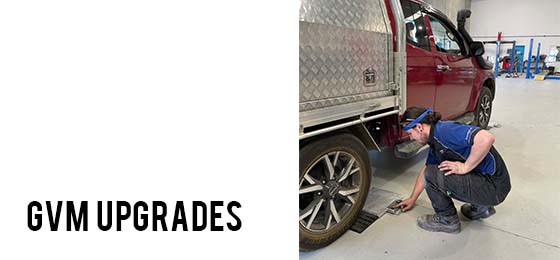
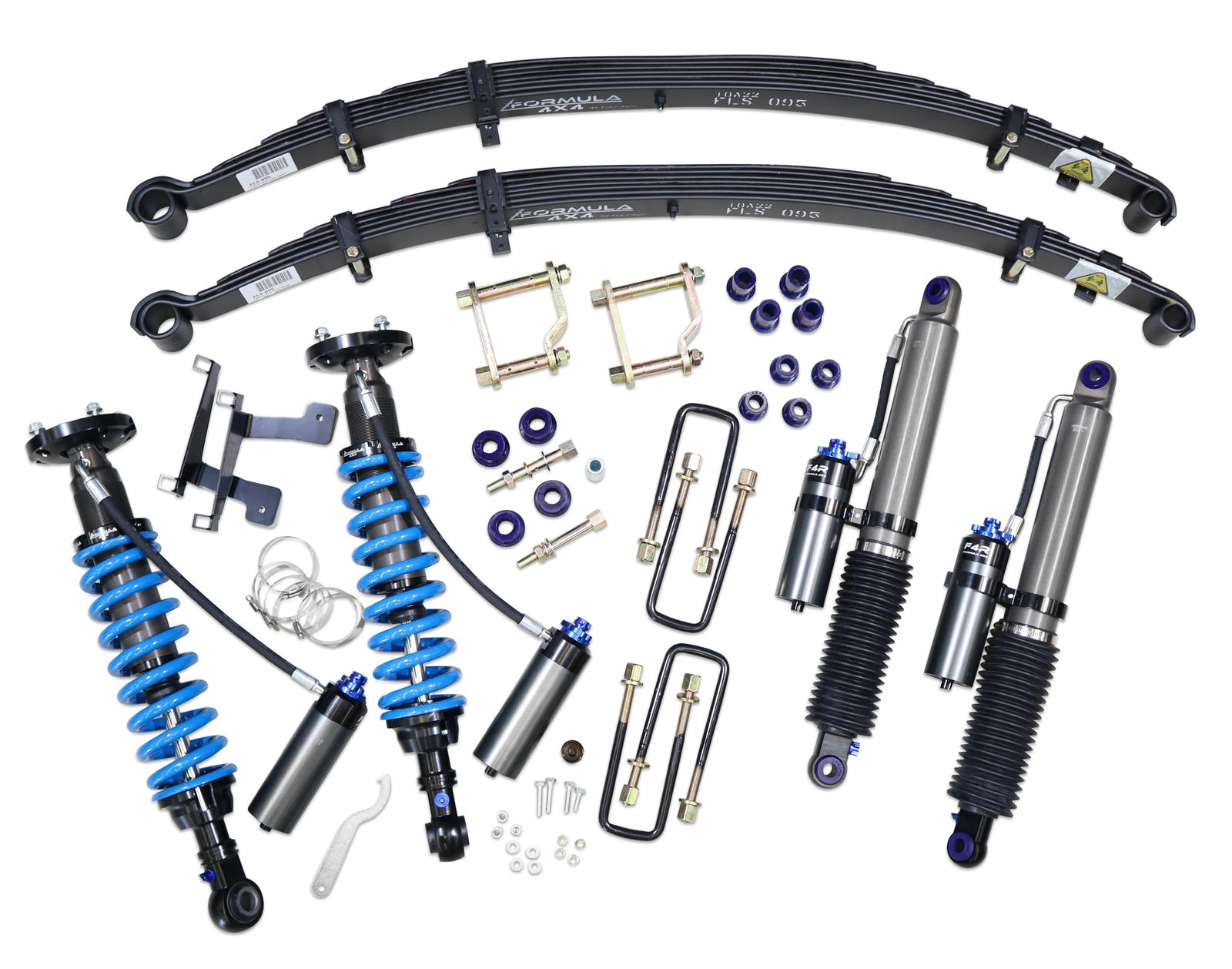
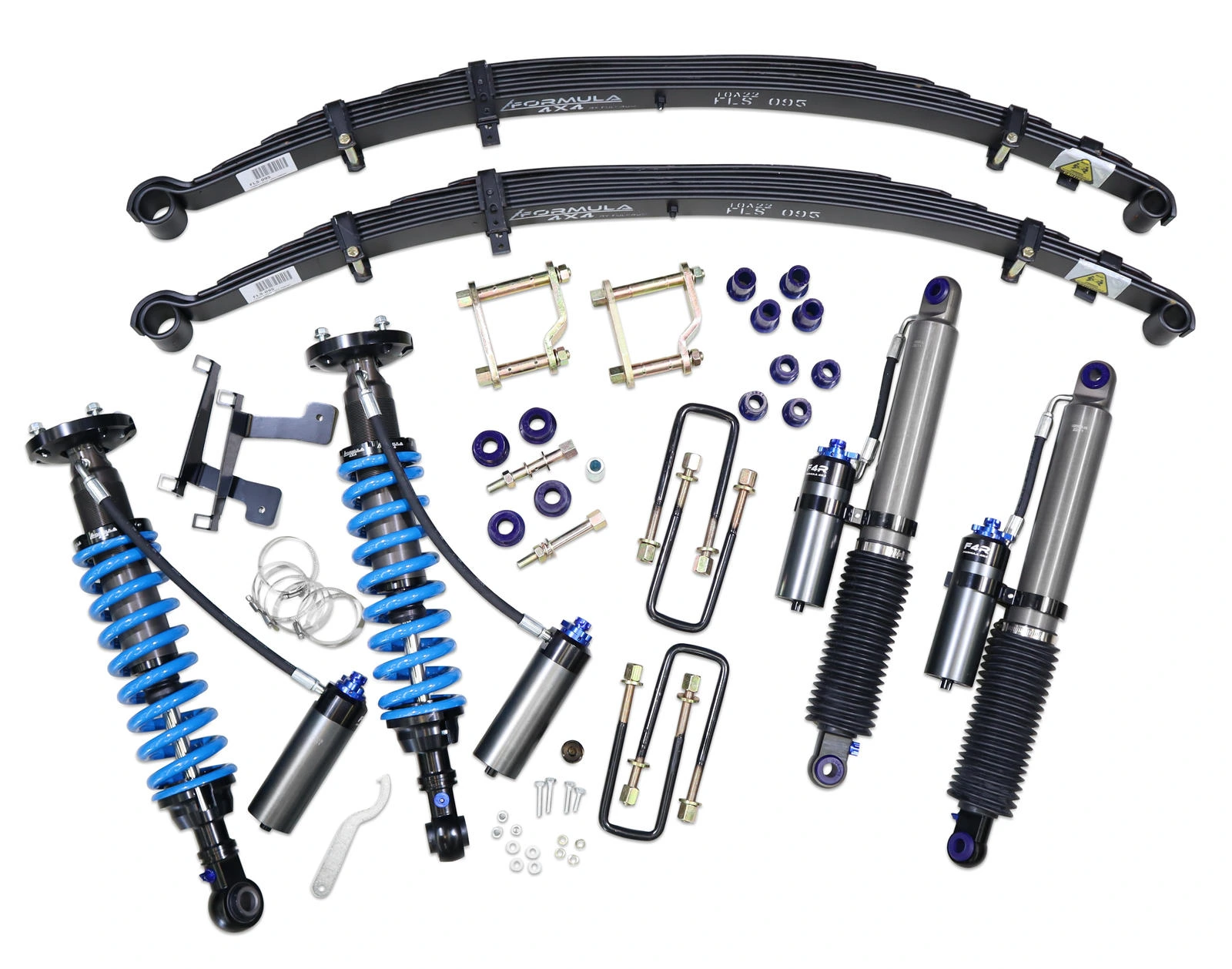
If your vehicle regularly carries constant loads or is used for touring, a certified gvm upgrade may be required to remain within the law. A properly engineered solution increases the allowable vehicle mass while maintaining safe handling and braking performance, which is exactly what approved GVM Upgrades are designed to achieve.
It is important to understand that suspension alone does not change your compliance plate. Only approved and certified gvm upgrades legally increase the vehicle’s rated capacity, with compliant options forming part of the complete GVM upgrade range.
What Is GCM?
GCM, or Gross Combination Mass, refers to the maximum legal weight of the vehicle and trailer combined. This includes the fully loaded vehicle plus a fully loaded caravan or trailer.
Many drivers assume that increasing vehicle capacity automatically allows them to tow more. That is not the case. A GCM upgrade is a separate process and is considerably more complex, as it relates to the total combined mass rather than the vehicle alone.
In many instances, manufacturer involvement or second stage approval is required. Because of this, true gcm upgrades are not available for every vehicle on the market, and solutions addressing combined mass limits sit within Fulcrum’s GCM upgrade range.
Why the Difference Matters
GVM relates to the vehicle alone, while GCM relates to the vehicle and trailer combined.
If your vehicle receives a higher vehicle mass rating but the combined mass remains unchanged, your available towing capacity may decrease. This is one of the most common points of confusion for caravan owners.
Both limits must be considered together when planning a build. Ignoring either figure can result in an illegal combination, even if the vehicle appears to sit level and drive normally.
Legal and Compliance Considerations
Driving over your certified mass limits is illegal in Australia. Roadside inspections can result in fines or defect notices, and insurance claims may be denied if your vehicle is found to be overweight.
Airbags do not increase your legal rating and heavy duty springs do not automatically allow you to carry more load. The same goes for suspension lifts, which do not change your compliance.
Only certified systems, correctly installed and engineered, provide a lawful increase in capacity. Professionally developed GVM upgrade kits are engineered to suit revised ratings while maintaining correct ride height, braking balance and overall stability.
Engineering approval is mandatory for both vehicle and combined mass increases.
When GVM Is the Limiting Factor
If your vehicle sags under load, regularly carries tools or touring equipment, or operates close to axle limits, increasing the allowable vehicle mass may be necessary. This is common in dual cab utes fitted with permanent accessories and long range touring setups.
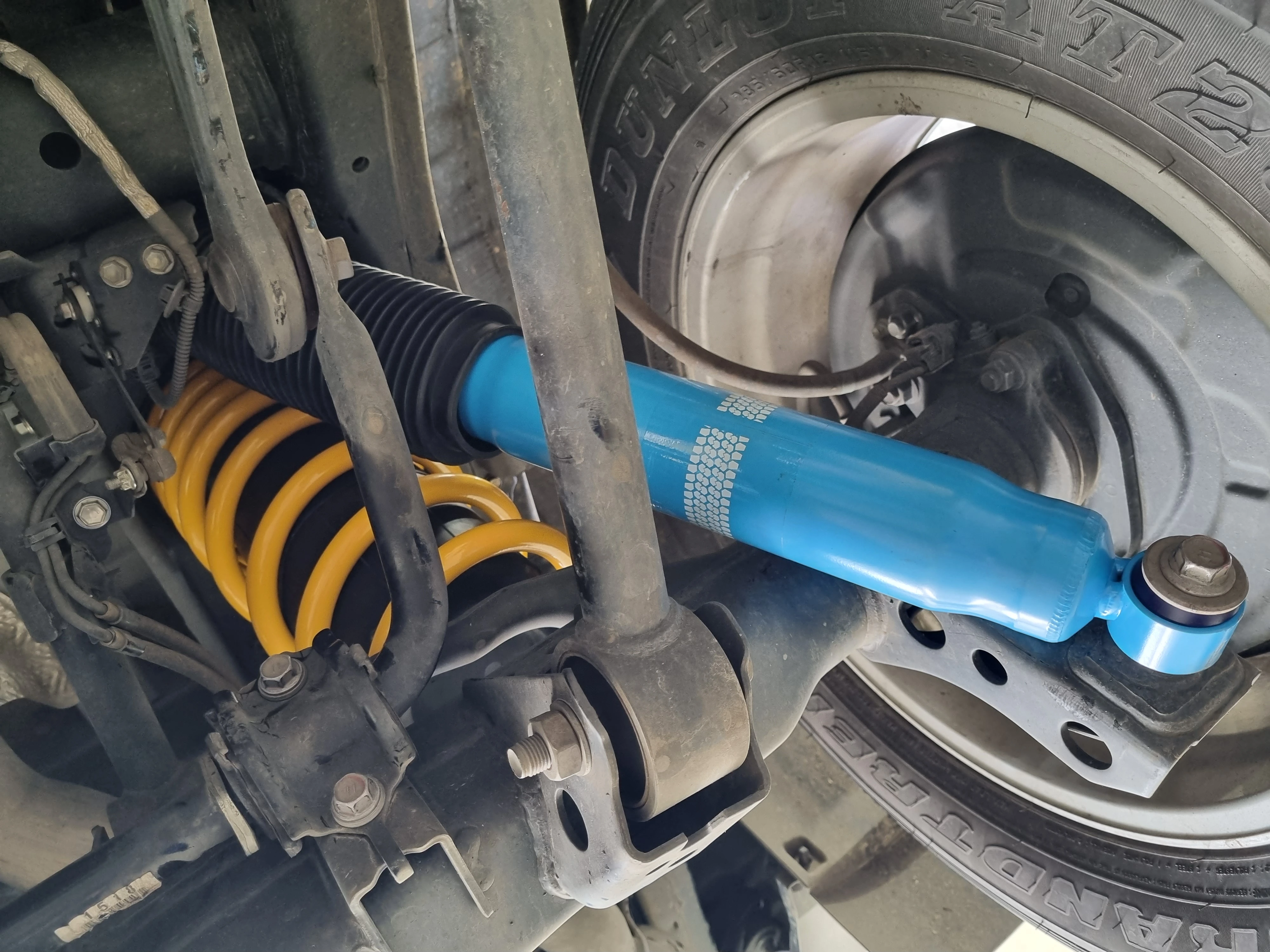
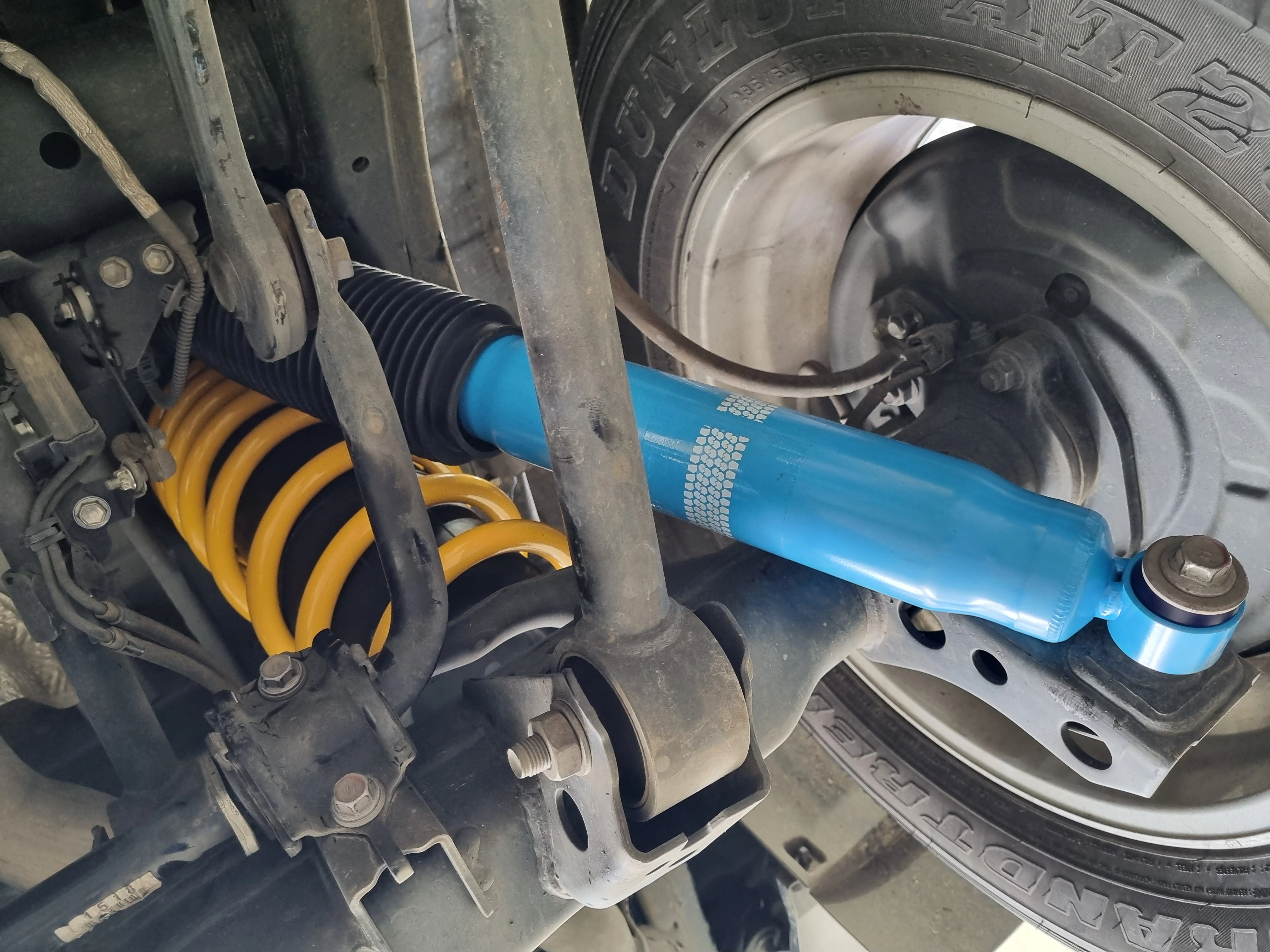
A compliant suspension solution ensures braking performance, load control and overall handling remain suitable for the revised rating.
When GCM Is the Real Restriction
For caravan owners, the combined mass rating often becomes the true limitation. Even if the vehicle itself remains under its maximum rating, the addition of a heavy trailer can push the total combination over the legal threshold.
Because increasing combined mass involves broader vehicle considerations, a certified GCM upgrade requires detailed assessment and formal approval. It is not simply a matter of installing heavier springs.
The Role of Suspension in Safe Load Carrying
Operating at higher legal weights places greater demand on the suspension system. A properly engineered system helps maintain correct ride height, improve braking stability and reduce vehicle sway when towing.
This is particularly important for long-distance touring, where consistent load carrying can affect steering response, tyre wear and overall vehicle control.
GVM vs GCM FAQs
Need more information about GVM vs GCM upgrades? Below we answer the most commonly asked questions


