



Because a CV joint does not fail at a threshold, it wears faster past one. A ute on an older platform, driven on sealed roads, with a lift that measures closer to 35mm than 50mm, can run for years. That is a favourable combination rather than proof the diff drop was unnecessary.
A CV joint has no cliff edge
There is no angle at which a constant velocity joint stops working. What changes as the angle grows is how hard the internals work through every rotation. The balls or tripod rollers travel further in their tracks, the grease film is asked to do more, and the boot flexes through a bigger sweep. Heat goes up, grease degrades faster, and the wear rate climbs.
So the honest framing is not "with a diff drop it survives and without one it fails". It is that the same joint at a steeper angle covers fewer kilometres before it needs replacing. On a vehicle that does 15,000km a year on the bitumen, fewer kilometres can still mean longer than the owner keeps the ute. On a tourer doing corrugations with a full load, it usually does not.
Five reasons a 2 inch lift survives without one
The lift is not really 2 inches: Marketing height and measured height are different things. Springs settle, a heavier bar and winch pull the front down, and a "2 inch" kit frequently measures 35 to 45mm at the front once the vehicle has weight on it and a few thousand kilometres behind it. That difference is enough to keep some platforms inside a sensible angle.
The platform had headroom to start with: Longer front CV shafts and a shallower factory standing angle mean the same 50mm produces less angle. This is why the old 3 inch rule worked on the vehicles it was written for. An N70 Hilux and an N90 Hilux respond differently to identical lifts.
The duty cycle is gentle: Sealed road driving keeps the suspension near ride height most of the time. Steep continuous angles hurt most under load, under articulation and at sustained highway speed with weight on board. A ute that mostly commutes spends little time in the conditions that do the damage.
It has not been long enough yet: Accelerated wear shows up as a boot split at 60,000km instead of 140,000km, or a click on full lock at four years instead of eight. Two years in, a build with a problem still looks like a build without one.
It is wearing and nobody has looked. This is the one we see most often. Grease weeping past a boot lip, a faint vibration under acceleration that got blamed on tyres, slight play at the inner joint. Front CVs are not part of a normal service, so early wear routinely goes unnoticed until something splits.
What we see come through the workshops
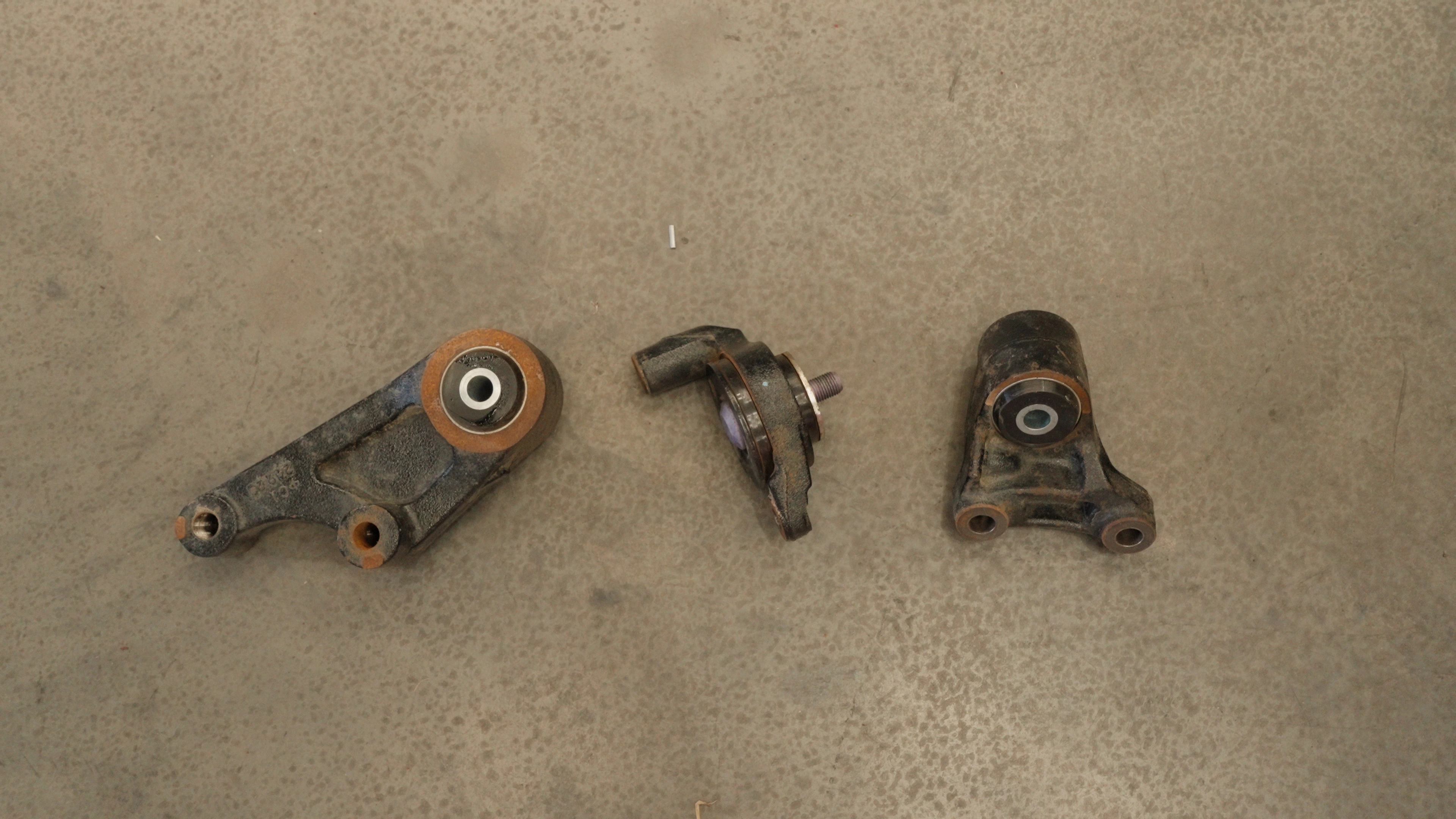
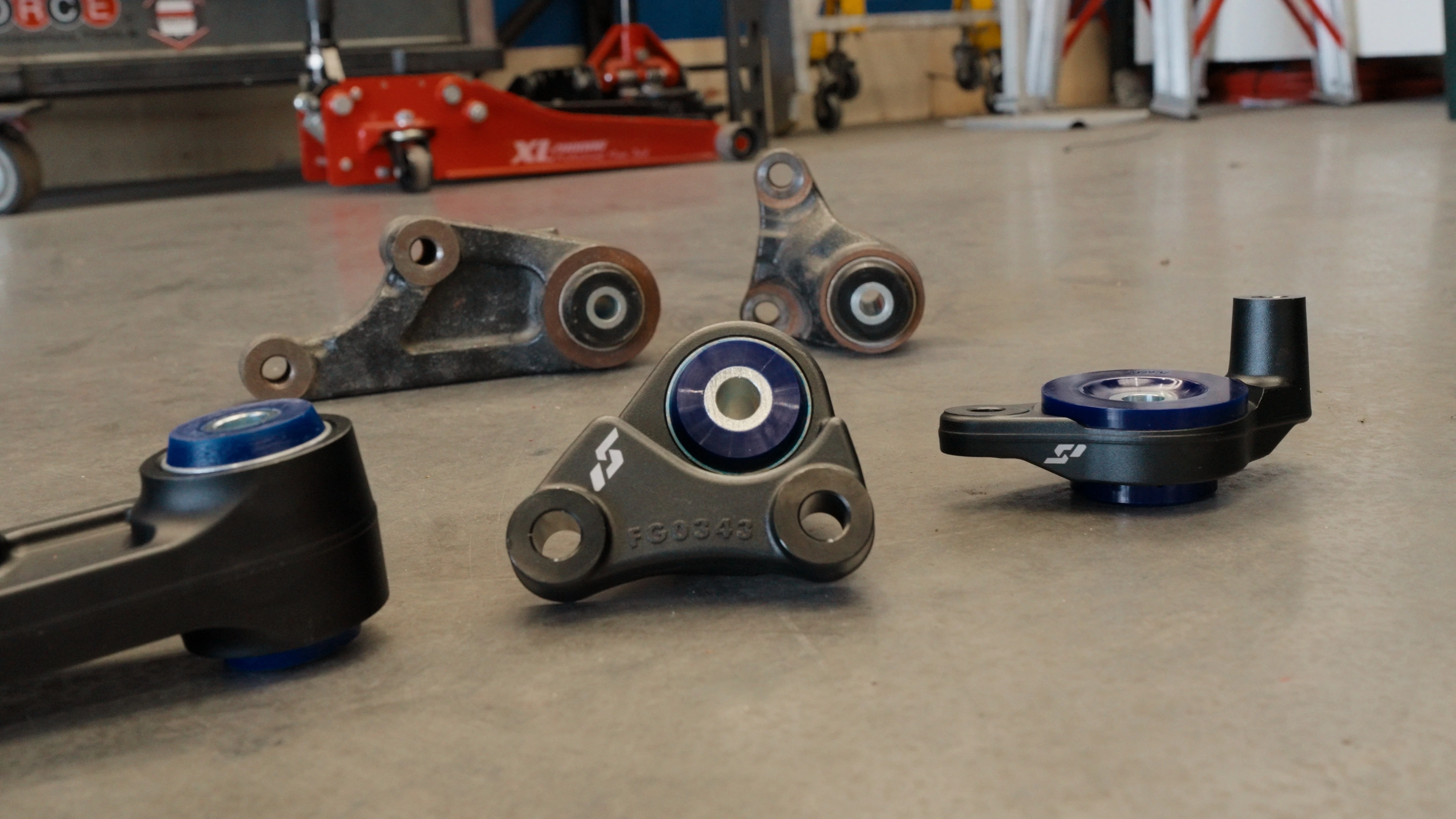
We fit lifts and we also repair the front ends that come back, which is a view most of the argument does not have. The pattern that shows up is not sudden failure on unlifted utes and clean bills of health on lifted ones. It is a shift in what fails and when.
That is the piece we should be publishing and currently are not, so treat the paragraph above as a placeholder rather than a claim.
How to check your own ute rather than trust either side
You do not have to take our word for it, and you should not have to.
Measure the actual front ride height rather than the advertised lift height, with the vehicle loaded the way you normally drive it. Then look at the inner and outer CV boots for grease weeping at the clamps or fine cracking on the outer folds. Turn the wheels to full lock and listen for a click at low speed. Feel for a vibration under moderate acceleration that appears with the lift and was not there before.
If any of those show up, the geometry is worth measuring properly. A free suspension check is the fastest way to get that done, and if your front end measures fine we will tell you so.
Kit cost against the thing it protect
|
Item |
Cost |
|
Diff drop kit, Isuzu D-Max, MU-X and Mazda BT-50, TRC9015 |
$216.00 kit, $604.00 fitted |
|
Diff drop kit, Hilux N70 and N80, TRC9007 |
$485.00 kit, $873.00 fitted |
|
Diff drop kit, Hilux N90 2025-on, TRC9023 |
$590.00 kit, $1,068.00 fitted |
Prices in AUD, current at time of writing.
Fitted at the same time as the lift, the kit costs a fraction of what it costs to add later, because the front end is already apart. That is the practical argument for doing it during the build even if you rate the risk as low.
FAQs
Looking for more information about 4x4 lift kits and suspension? Below we answer the most commonly asked questions
My mate has a 2 inch lift with no diff drop and no problems. Is he wrong?
How long does it take for a bad CV angle to show up?
Is my "2 inch" lift actually 2 inches?
What are the early signs of CV wear from a lift?
Does driving only on the road mean I can skip it?
Does the diff drop make the CV last longer, or just delay failure?
Is it cheaper to fit the diff drop with the lift or later?
If my CVs are already worn, is a diff drop still worth fitting?
Book a free suspension check and we will measure it rather than argue about it. The full range of diff drop kits is online with Click and Fit.


